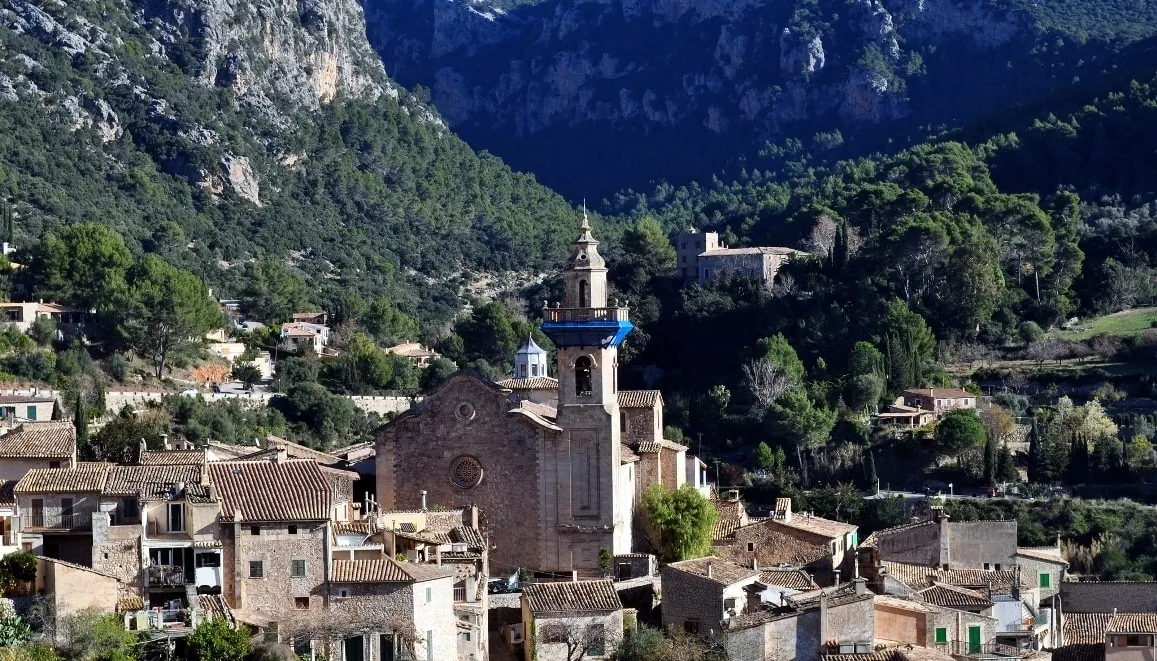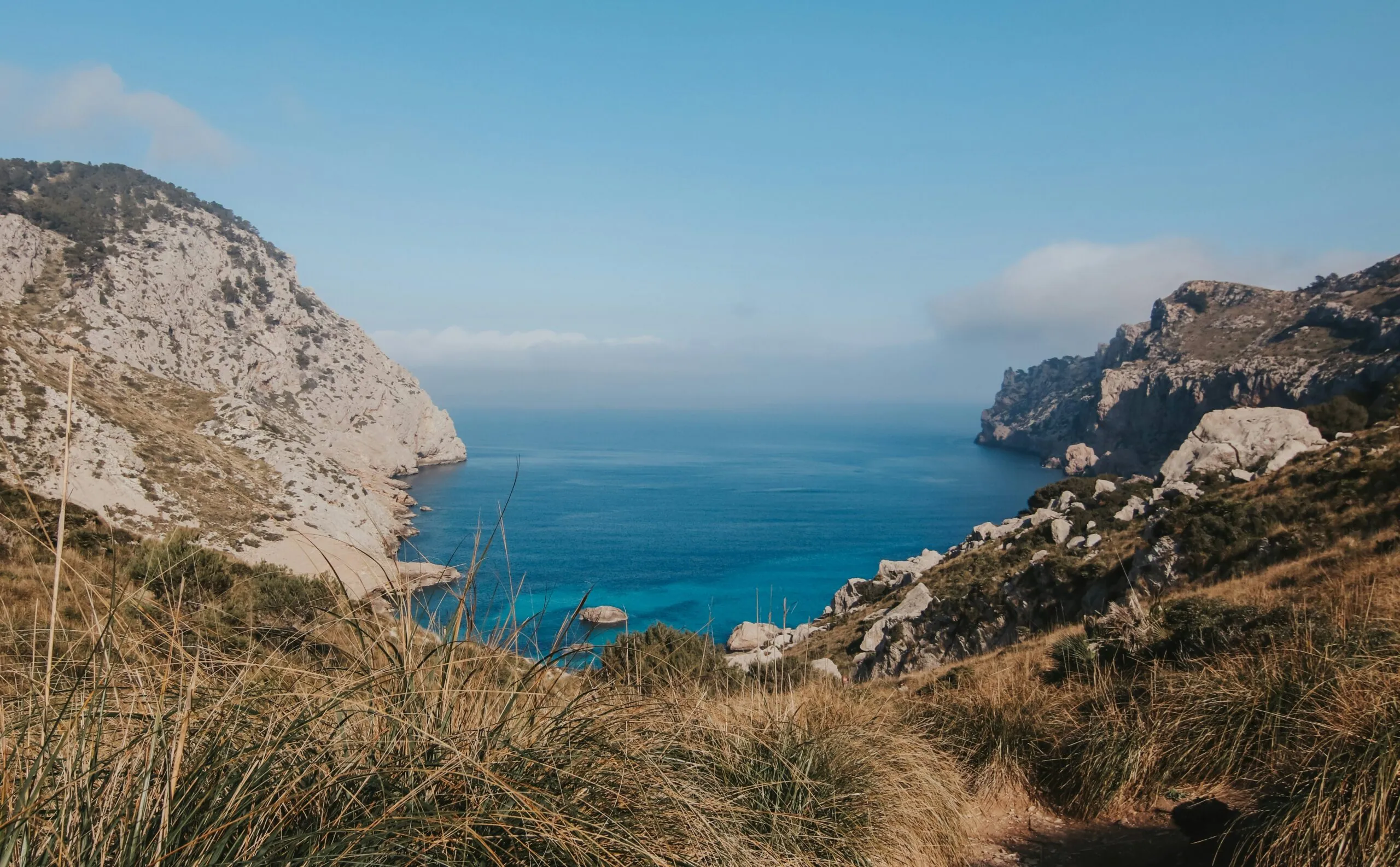
Mallorca stands as the largest of the Balearic Islands in Spain, where residential asking prices recorded by CASAFARI Area Insights in Q3 2026 reached €5,840/m² for apartments (+6.3% year on year) and €5,868/m² for houses (+7.8% year on year), driven by 33.8 million annual airport passengers and a 32.3% share of foreign buyers.
How is Mallorca connected and what drives year-round life on the island?
Geographical position and air connectivity anchor Mallorca’s status as a premier European destination. Palma de Mallorca Airport (PMI) handled a record 33,806,427 passengers and 246,486 aircraft movements in 2025 according to Aena, including 24.8 million international commercial passengers, alongside a dedicated general aviation terminal for private flights.
This infrastructure supports a steady demographic transition from a seasonal resort to a permanent international hub. Mallorca’s resident population reached 979,565 inhabitants in April 2026 according to INE and IBESTAT, with foreign nationals representing 21.25% of registered residents, complementing 13.58 million annual tourists recorded by FRONTUR in 2025.
Quality-of-life fundamentals keep international residents on the island year-round. A Mediterranean climate moderated by the Tramuntana wind pairs with international schools, private hospitals, D.O. Binissalem vineyards producing local varieties such as manto negro and callet, and a thriving gastronomic scene featuring 10 Michelin-starred restaurants holding 11 stars in the 2026 Michelin Guide, led by two-star Voro in Canyamel. Top-tier marinas including Palma, Puerto Portals, Port Adriano and Port d’Andratx, alongside world-class cycling and golf facilities, complete the appeal of the property market in Spain.
Where to buy in Mallorca: how the property market divides by municipality
Mallorca’s varied geography and architectural heritage divide the island into distinct micro-markets, ranging from urban historic apartments and contemporary sea-view villas to rural stone fincas and protected natural reserves.
- Palma and the South-West luxury corridor: Discover Gothic Old Town palaces around La Seu cathedral, Santa Catalina, Portixol and Son Vida through our guide to Palma de Mallorca; explore superyacht marinas and golf estates in Calvià; or investigate hillside luxury villas in Andratx.
- The Serra de Tramuntana (UNESCO World Heritage landscape): Find cliffside stone houses and artistic heritage in Deià, or explore traditional village houses and mountain estates within easy reach of Palma in Esporles.
- The North and North-East bays: Research the northern bay and the Formentor peninsula through our guide to Pollença; explore the Roman walls of Pollentia, Alcanada golf course and Playa de Muro in Alcúdia; uncover unspoilt country estates in Artà; or view coastal properties in Capdepera.
- The South and South-East coast and natural reserves: Investigate cliffside residential areas and rural fincas near the airport in Llucmajor; view golden-stone town houses, Cala d’Or and proximity to Es Trenc in Santanyí; or appreciate the protected marine environment of the Cabrera Archipelago where private development is absent.
Mallorca property asking prices and buyer demand in 2026
Understanding asking-price trends requires clear data. Apartments for sale in Mallorca averaged an asking price of €5,840/m² in Q3 2026, up from €5,494/m² in Q3 2025 (+6.3% year on year), according to CASAFARI Area Insights using location id 3688689 with outliers excluded as queried on 23 October 2026.
Houses and villas for sale in Mallorca averaged an asking price of €5,868/m² in Q3 2026, up from €5,445/m² in Q3 2025 (+7.8% year on year). These figures demonstrate how closely high-spec Palma and coastal apartments now track single-family houses per square metre across active listings indexed by CASAFARI Area Insights.
International demand remains exceptionally robust. Official closing-transaction statistics from the Colegio de Registradores de España show that foreign buyers accounted for 32.3% of all registered home purchases in the Balearic Islands in Q2 2026, rising from 31.47% in Q4 2025 and maintaining the highest regional share of foreign acquisitions in Spain.
Taxes, residency and planning rules every buyer in Mallorca must know
Navigating property acquisitions on the island involves specific regional taxes and regulatory frameworks managed by the Agència Tributària de les Illes Balears (ATIB) and local authorities.
Resale Property Transfer Tax (Impuesto sobre Transmisiones Patrimoniales, ITP) applies progressive marginal rates ranging from 8% to 13% for standard residential purchases, alongside reduced rates for qualifying primary residences.
- Up to €400,000: 8%
- €400,000.01 to €600,000: 9%
- €600,000.01 to €1,000,000: 10%
- €1,000,000.01 to €2,000,000: 12%
- Above €2,000,000: 13%
Source: Agència Tributària de les Illes Balears (ATIB).
Wealth Tax rules in the Balearic Islands set a tax-free threshold of €3,000,000 of net wealth, plus a €300,000 exemption for a primary residence, under Law 12/2023 for the 2025 and 2026 tax years. Meanwhile, Spain’s Golden Visa programme was repealed by Organic Law 1/2025, taking effect on 3 April 2025, meaning non-EU buyers now rely on standard residency routes such as digital nomad visas or non-lucrative permits.
Tourist rental licences (ETV) operate under strict zero-growth rules governed by Decree-Law 4/2025, completely banning new licences in apartment buildings while allowing 1:1 replacements via municipal pools. On rustic land (suelo rústico), Law 7/2024 sets minimum plot sizes at 14,000 m² for general rustic land and 50,000 m² in protected areas, capping buildability at 1.5% to 2%.
How real estate professionals and investors analyse Mallorca with CASAFARI
Mallorca is a notoriously fragmented market where individual properties frequently appear across multiple agency listings with varying asking prices and measurements. Real estate professionals use CASAFARI’s Property Sourcing to deduplicate listings into a single master record with complete price history, while tracking granular inventory shifts via CASAFARI Area Insights.
For accurate pricing and comparative market analysis, agents and investors combine active asking prices with closing-price data through Valuation & Market Study. To explore listings, market analytics and historical records in detail, sign in to CASAFARI at https://platform.casafari.com/signin.
Frequently asked questions
What are the property transfer taxes and wealth tax rules when buying in Mallorca?
Resale residential purchases in the Balearic Islands are subject to progressive Property Transfer Tax (ITP) rates collected by the ATIB, ranging from 8% on properties up to €400,000 up to 13% for amounts exceeding €2,000,000, with reduced concessionary rates available for qualifying primary residences. For Wealth Tax purposes, the Balearic Islands apply a tax-free threshold of €3,000,000 of net wealth, alongside an additional €300,000 exemption for a primary home.
Can you get a tourist rental licence (ETV) for a property in Mallorca?
Under Decree-Law 4/2025, new tourist rental licences (Estancias Turísticas en Viviendas, ETV) are strictly prohibited in multi-family apartment buildings across Mallorca. Single-family homes can only obtain a licence through a strict 1:1 replacement mechanism fed by deregistered tourist places managed by the Consell de Mallorca, making properties sold with an existing, transferable ETV licence particularly valuable.
Can non-EU citizens still get residency by buying property in Mallorca?
Spain officially abolished the Golden Visa residency-by-investment scheme for property purchases of €500,000 or more under Organic Law 1/2025, with the repeal taking effect on 3 April 2025. Non-EU citizens can still buy property freely in Mallorca, but residency must now be sought through alternative routes such as the non-lucrative visa or Spain’s digital nomad visa.
What are the rules for building or renovating a finca on rustic land in Mallorca?
Building a detached single-family house on general rustic land (suelo rústico general) in Mallorca requires a minimum plot size of 14,000 m² (approximately 14,206 m² or two traditional quarterades), increasing to 50,000 m² in protected ARIP zones. Under Law 7/2024, maximum buildability is restricted to between 1.5% and 2% of the plot area, with maximum occupancy capped at 2% to 3% and total house volume limited to 900 m³.
How accessible is Mallorca for international residents and property owners?
Mallorca is highly accessible due to Palma de Mallorca Airport (PMI), which handled over 33.8 million passengers in 2025, including 24.8 million international commercial travellers. The island offers comprehensive infrastructure, including private aviation terminals, which facilitates year-round life for a growing international community that made up 21.25% of the 979,565 residents in April 2026.
What tools help investors navigate the fragmented Mallorca property market?
Because the market often features the same property listed multiple times with inconsistent data, professionals use CASAFARI’s Property Sourcing to create a single, reliable master record. Investors and agents also rely on CASAFARI Area Insights and Valuation tools to combine live asking prices with verified closing-price data for accurate comparative market analysis.
Alcudia Municipality
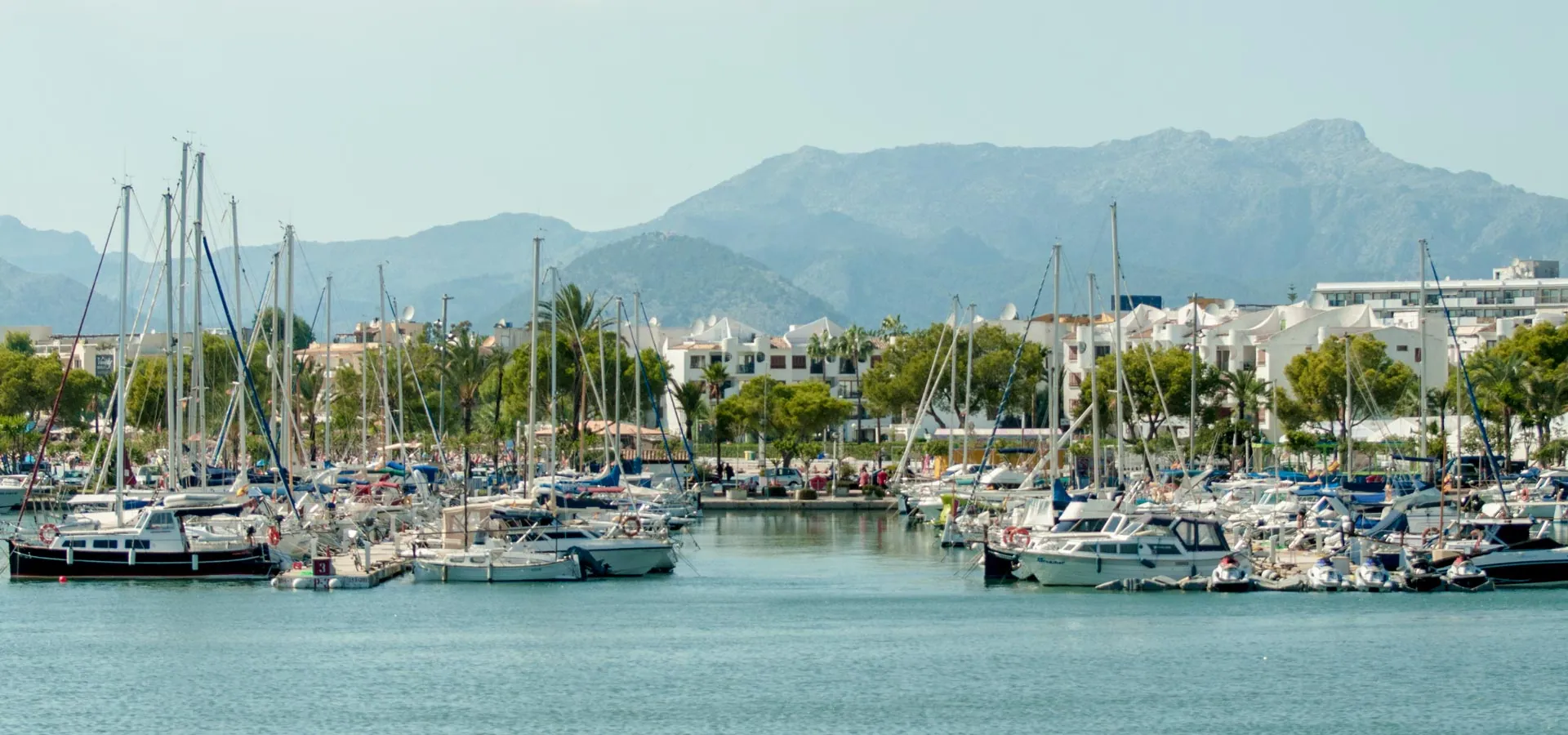
Andratx Municipality
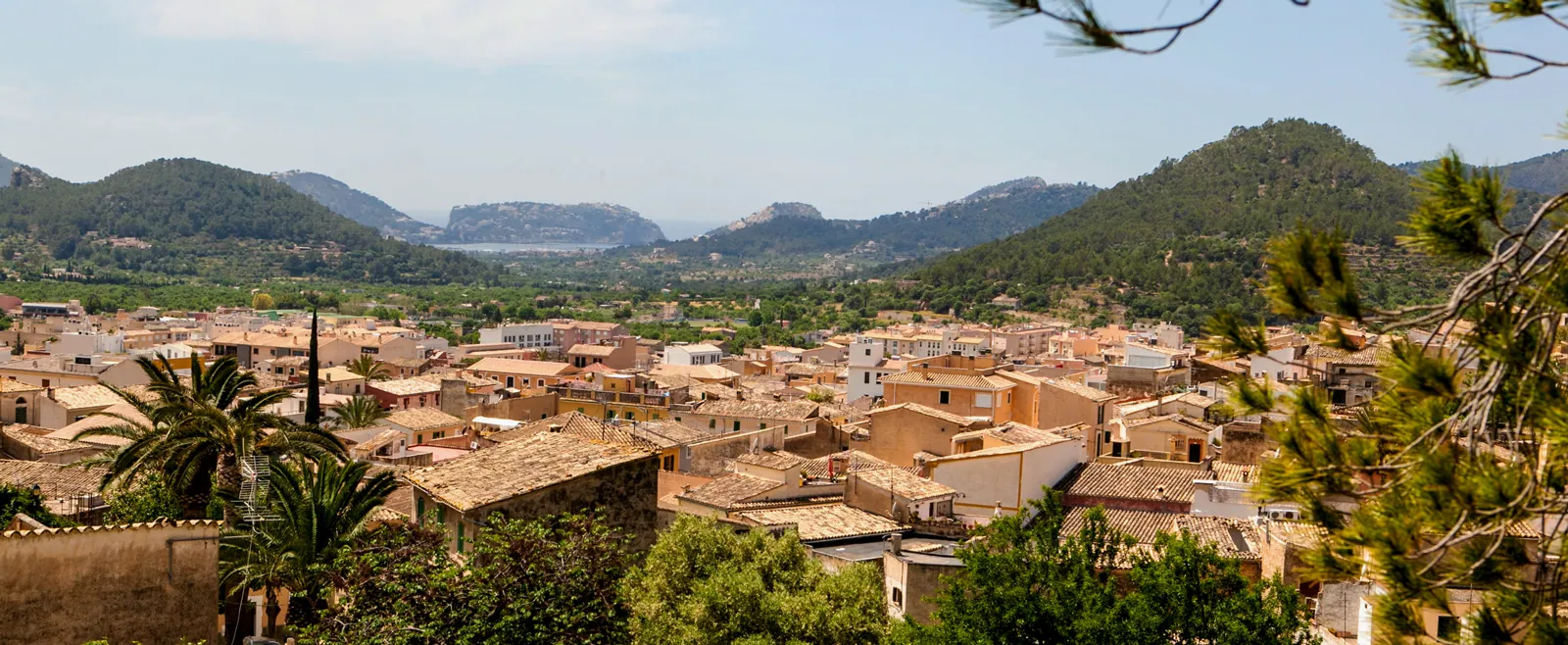
Artà Municipality
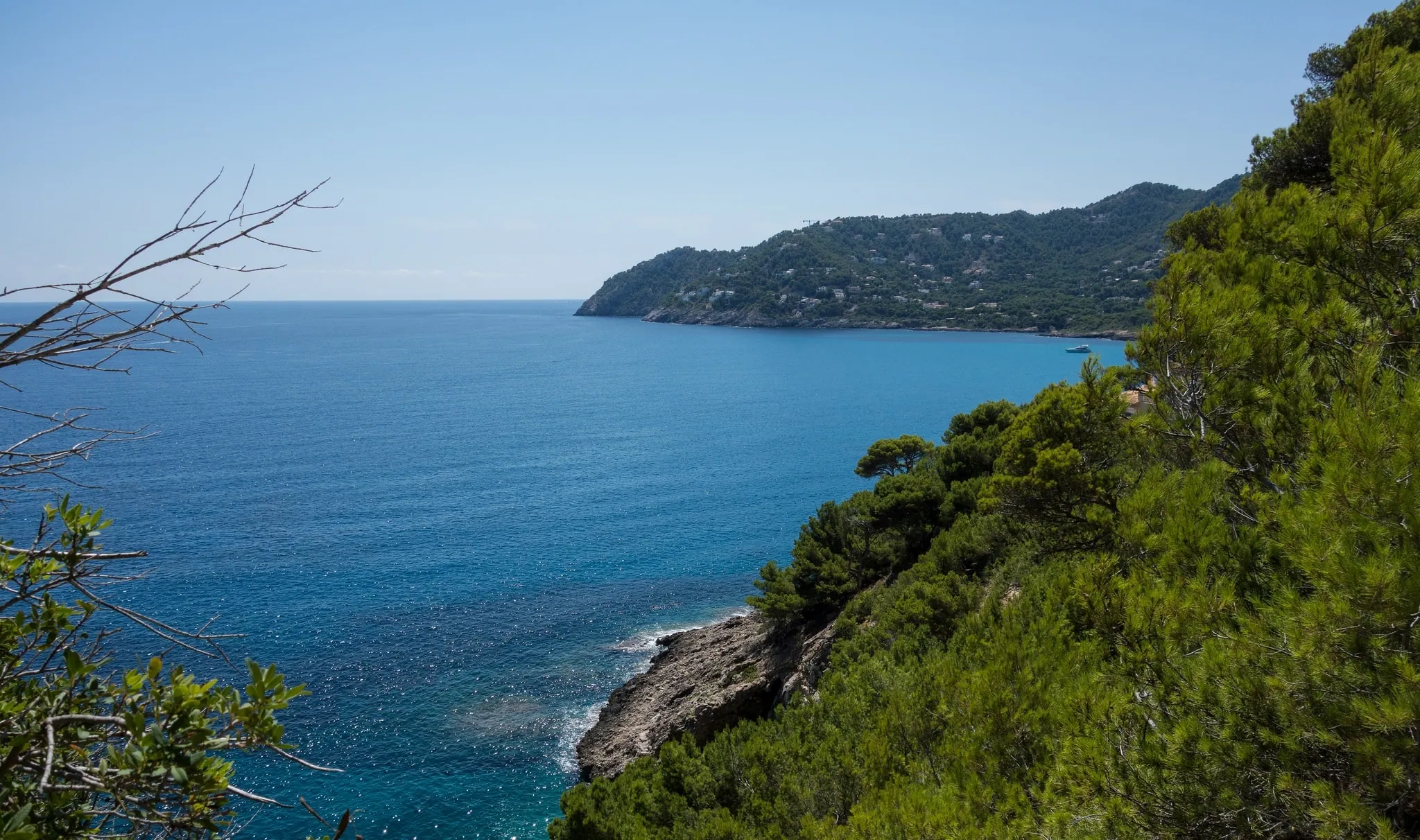
Cabrera
Calvia Municipality
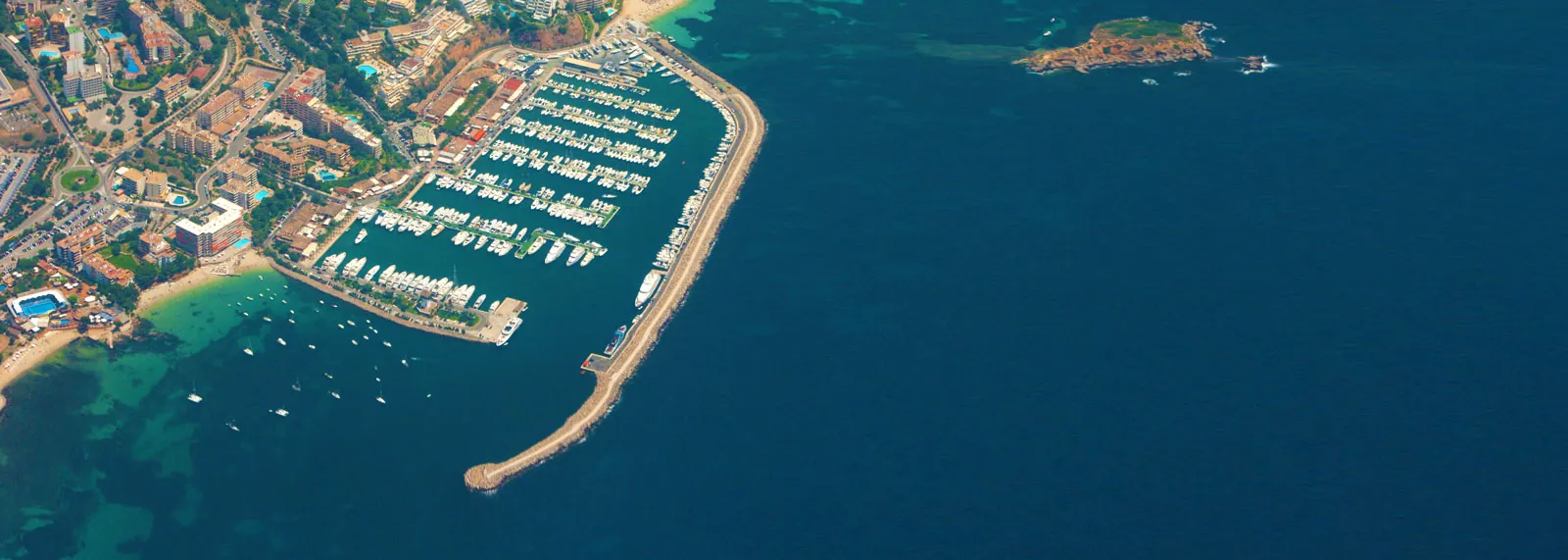
Capdepera Municipality
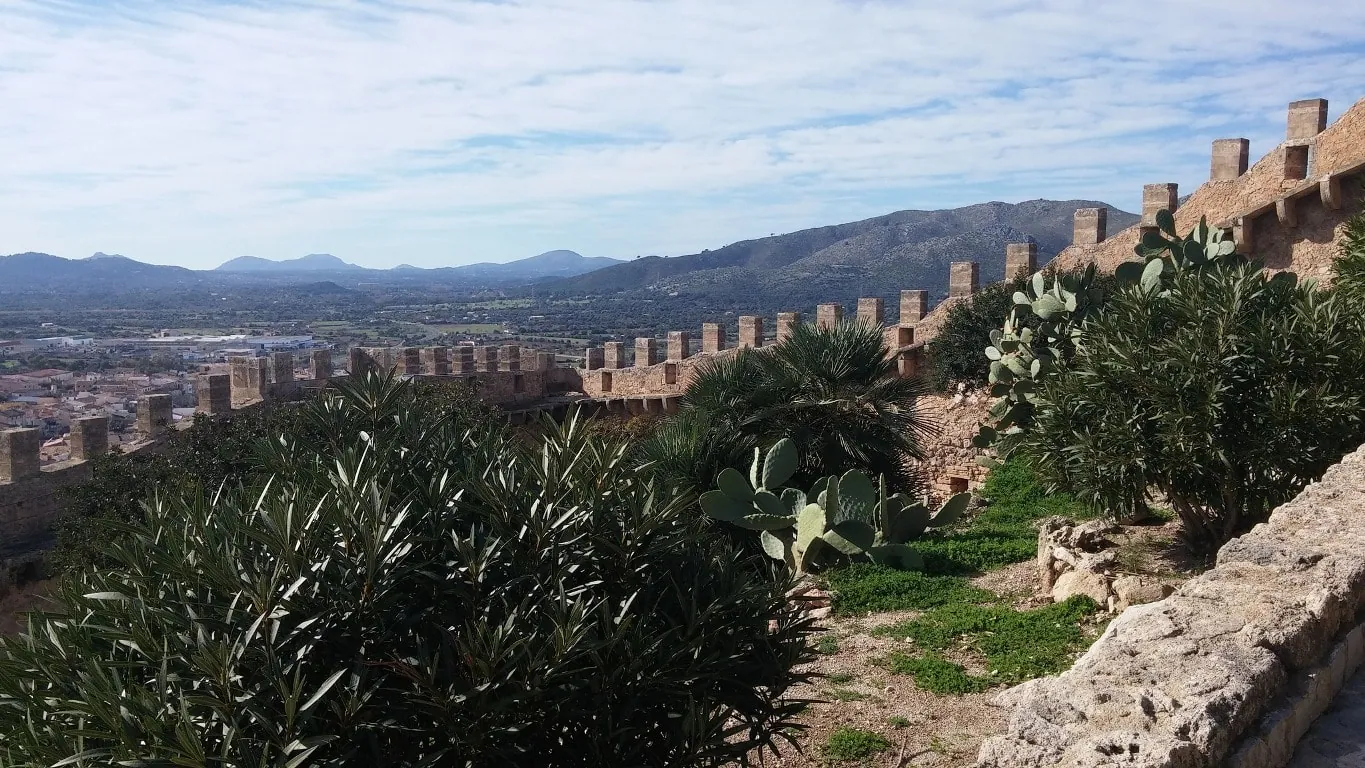
Deia Municipality
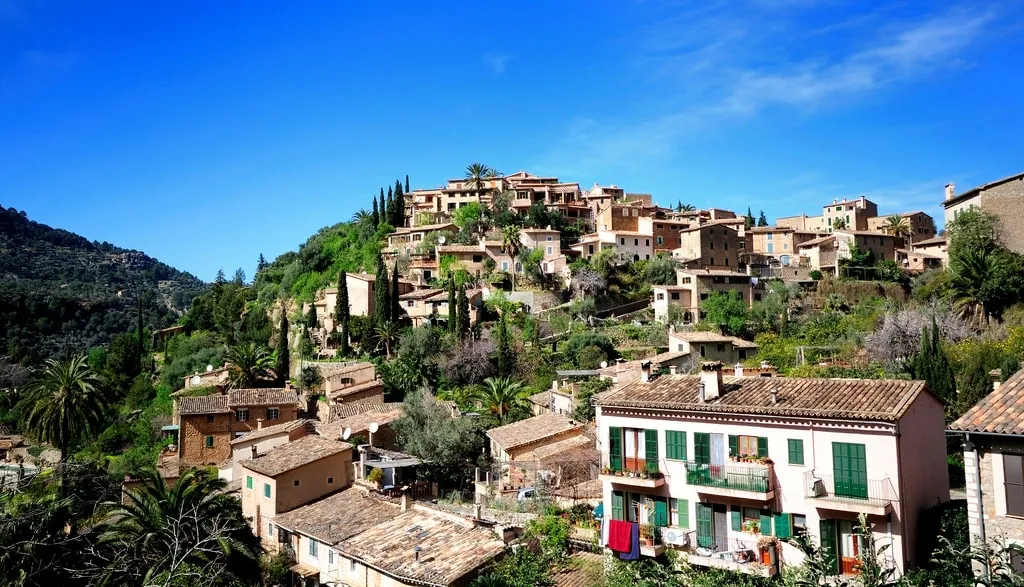
Esporles Municipality
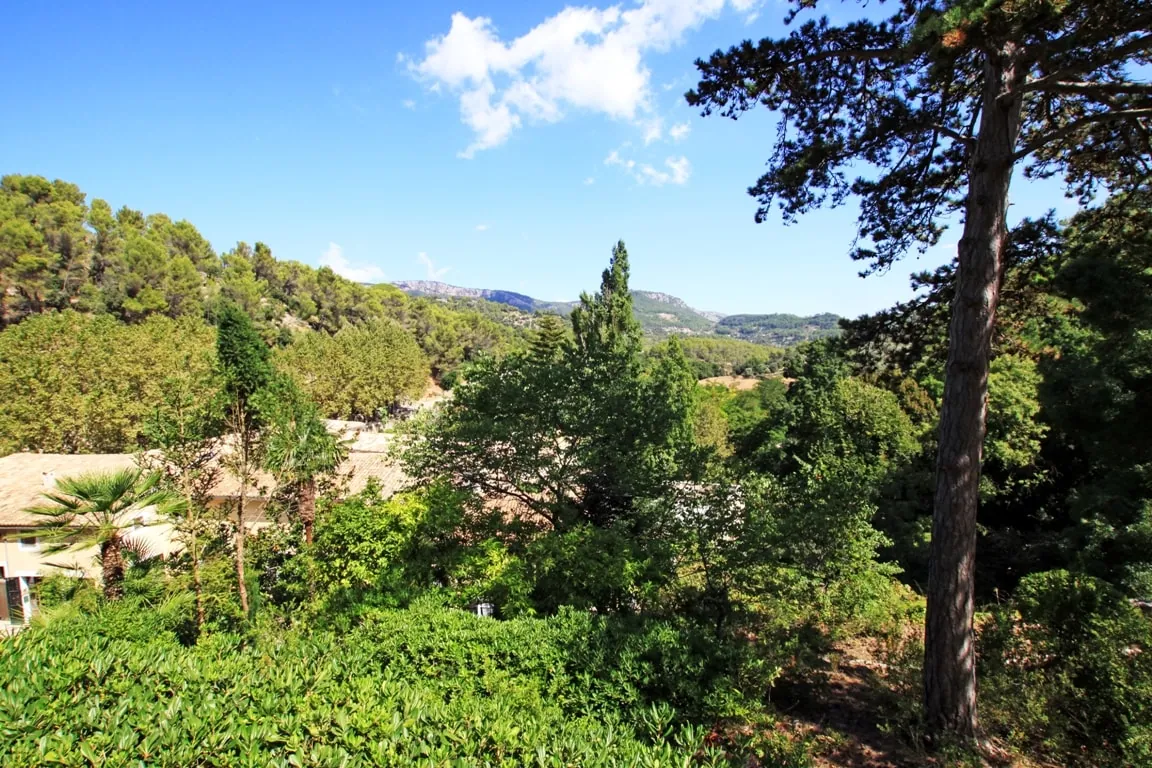
Llucmajor Municipality
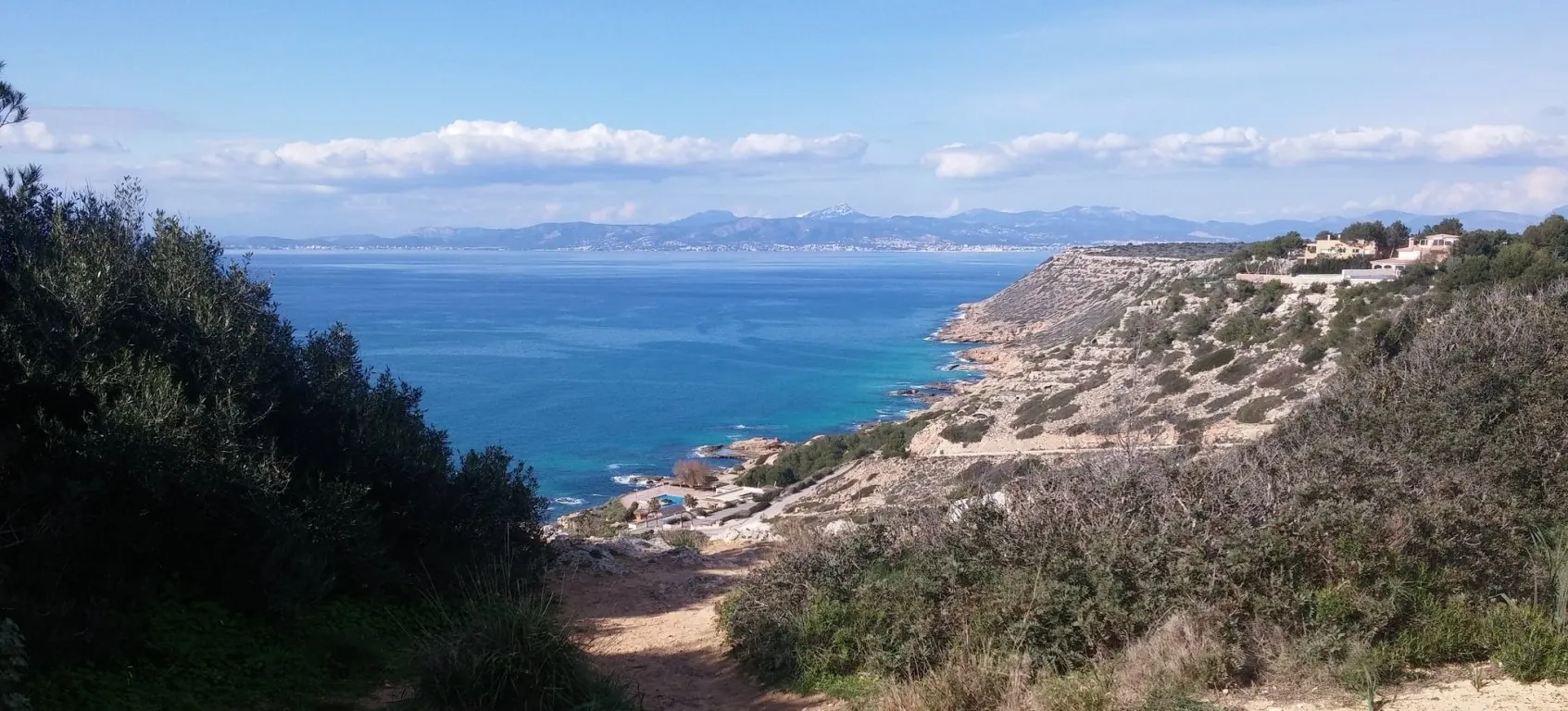
Palma Municipality
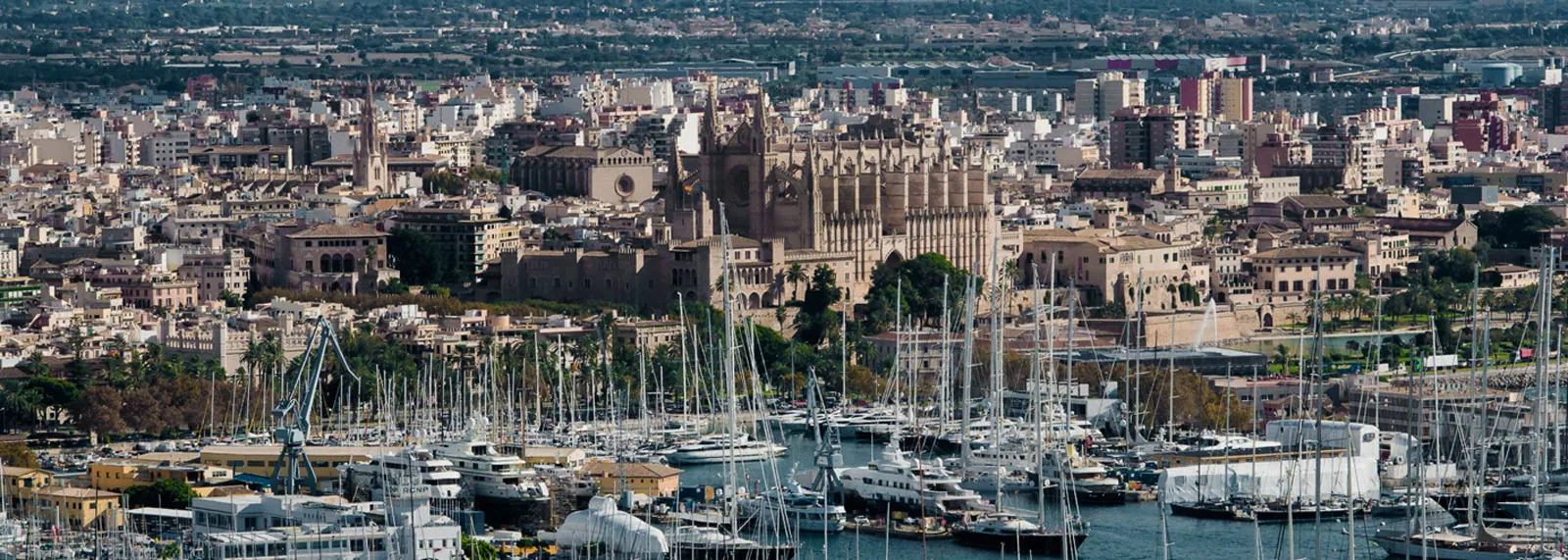
Pollensa municipality
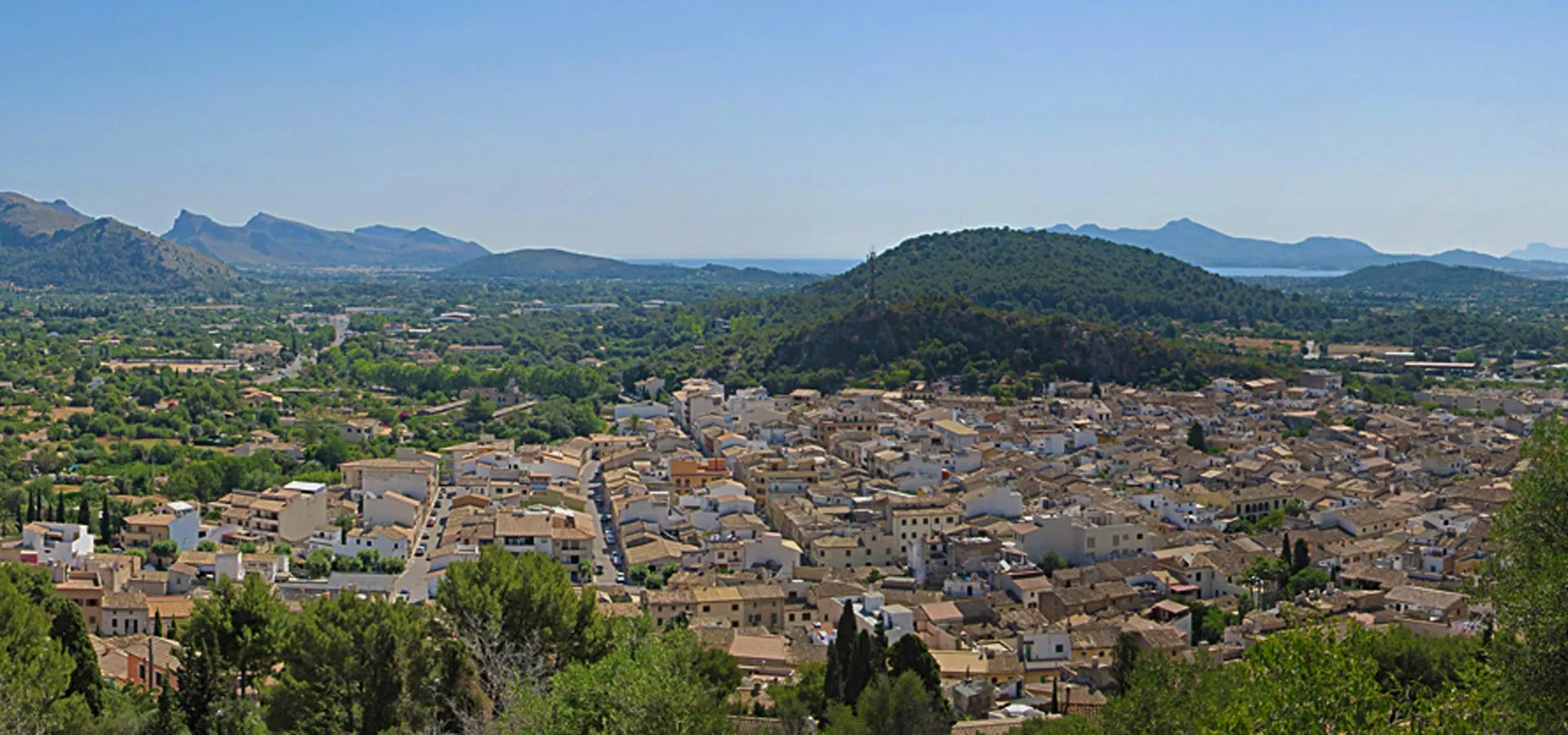
Santanyí Municipality
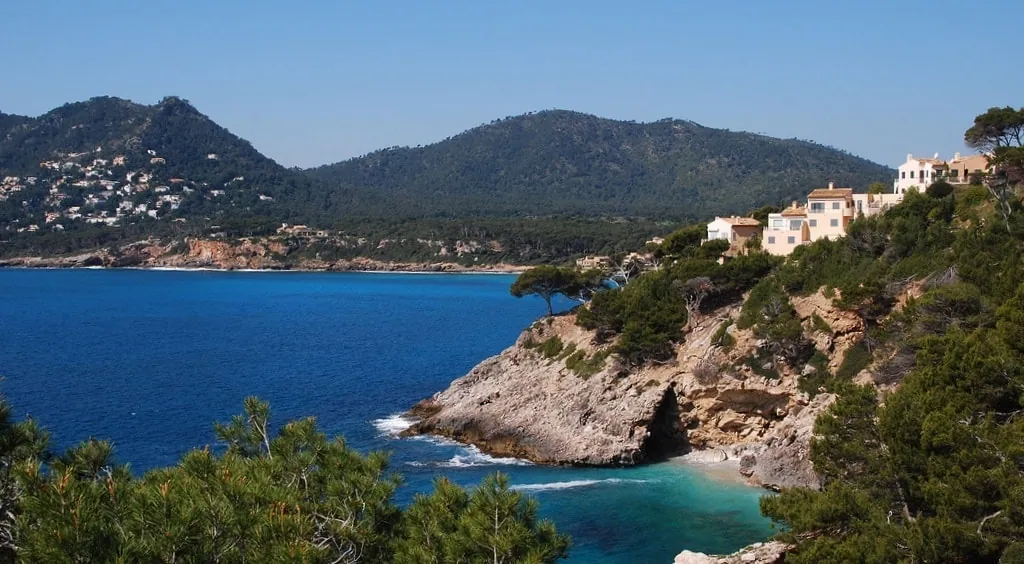
Ses Salines Municipality
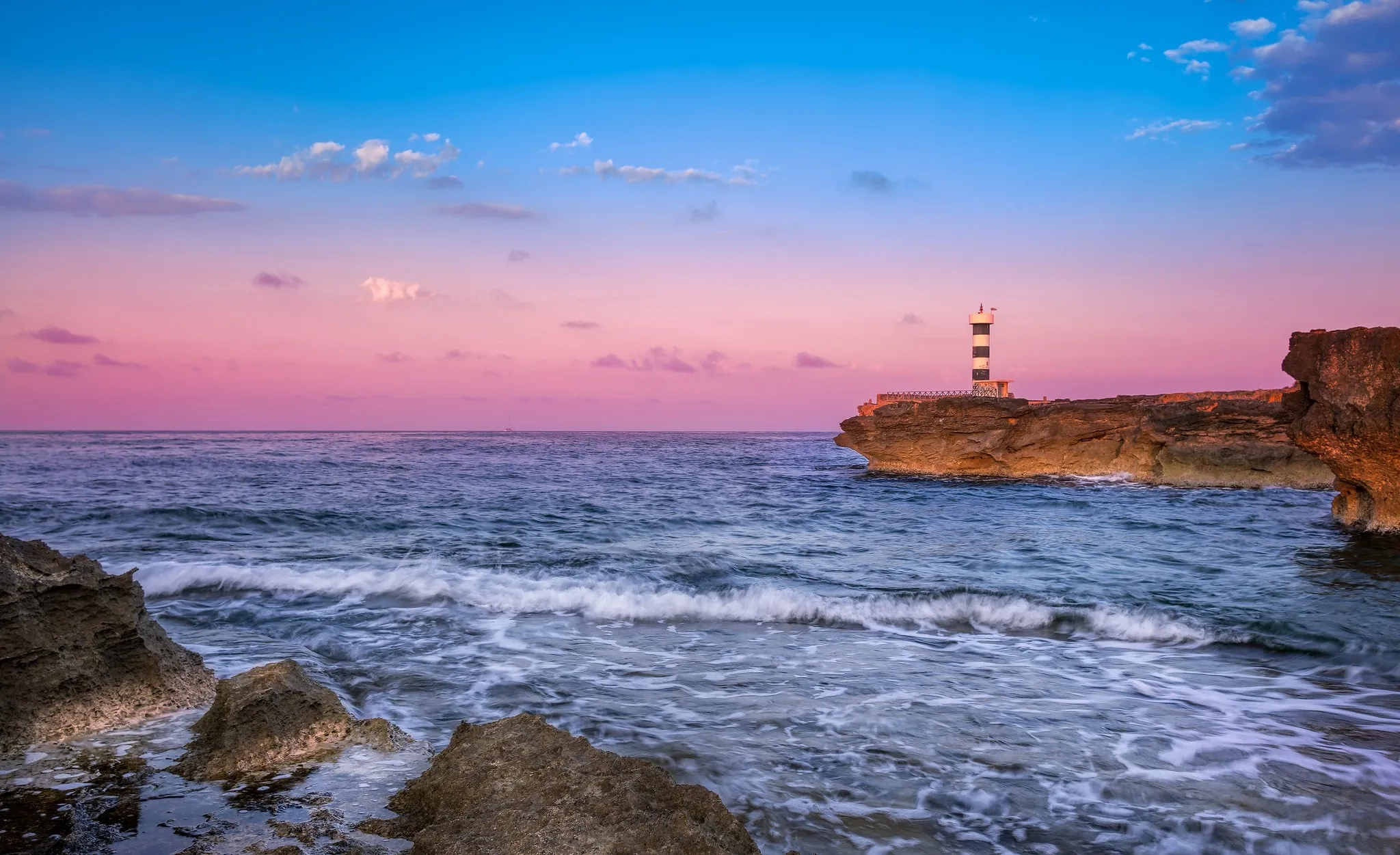
Sóller Municipality
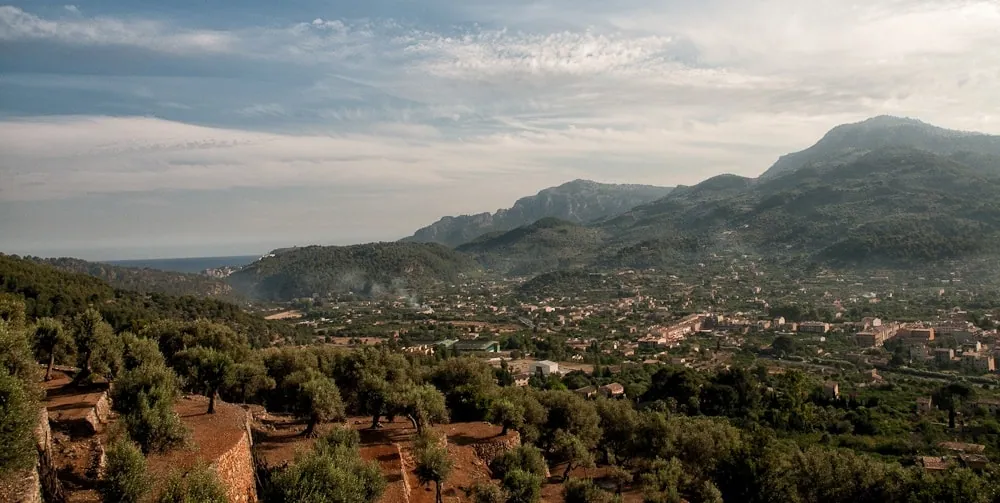
Son Servera Municipality
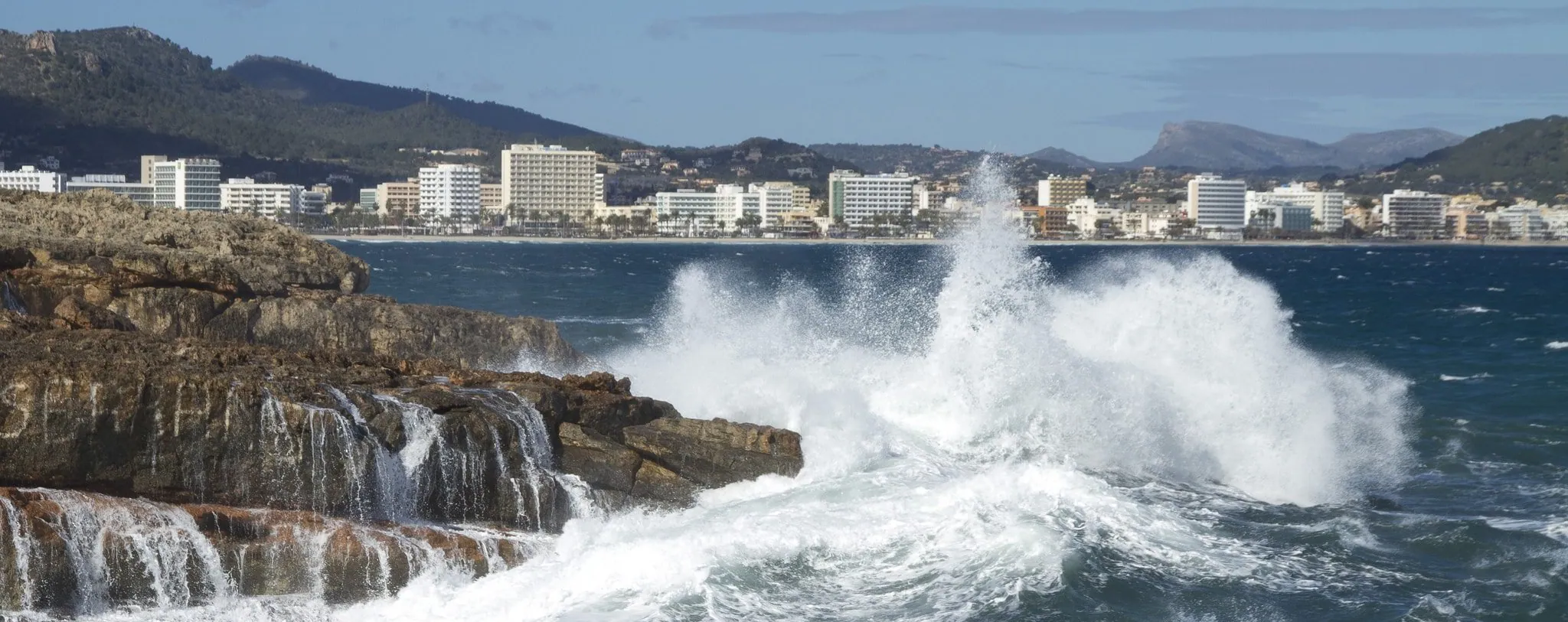
Valldemossa Municipality