
Mallorca Market Snap Shot: January – May 2016
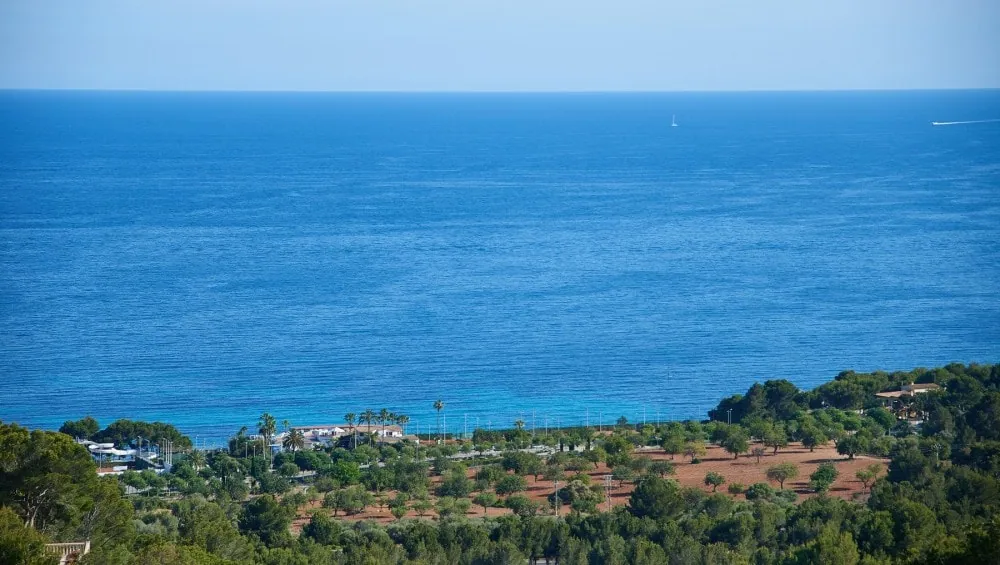
Between January and May 2016, Mallorca’s prime residential property market recorded consistent asking-price growth, led by South-Western Mallorca with 144 asking-price changes averaging €342,674 according to CASAFARI listings data and Palma Municipality with 79 asking-price increases averaging €130,700, while North-Eastern Mallorca recorded 28 increases averaging €97,143 as the island shifted towards a seller’s market.
Why is Mallorca’s prime property market outperforming the rest of Spain?
Secrets rarely last long when it comes to property. As you probably know by now, Mallorca, along with the wider Balearic archipelago, has been one of the Mediterranean’s major real estate success stories of the past few years.
The island’s property market has rebounded quickly from the housing market crash, outpacing the majority of other regions in Spain. According to Idealista’s asking-price index, asking prices in Mallorca’s capital, Palma de Mallorca, rose by 4.0% in 2015, the third-highest rate of any major municipality after Barcelona and Madrid (source: Idealista).
Growing interest from overseas investors, coupled with a wider Spanish housing market recovery, has created a solid springboard for sustained price growth across the island’s prime residential property sector. This trend looks set to continue long into 2016 and beyond.
Despite the ever-increasing number of admirers, learn why Mallorca remains a major find for property investors as it still offers considerable value as a luxury second-home market. Prices for prime holiday properties and second homes compare very favourably with those of Europe’s other high-net-worth playgrounds, including the likes of Tuscany and the French and Italian Rivieras.
In this latest post, we take a look at current pricing trends in Mallorca’s prime residential property sector and the dynamics that are driving them.
How are property asking prices distributed in Palma Municipality?
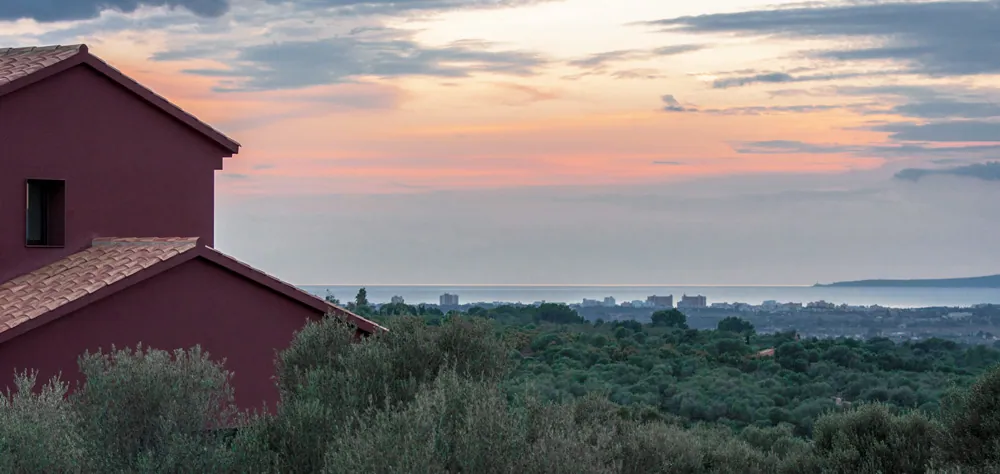 Son Gual (Copyright: casafari.com. All Rights Reserved.)
Palma de Mallorca and its environs are at the epicentre of Mallorca’s prime residential booms and have continued to outperform the wider Spanish property market over the past few months. According to Idealista’s asking-price index, asking prices in the region grew by 1.1% y-o-y in January 2016 to reach €1,498 per square metre (sq.m) (source: Idealista).
Based on listings indexed by CASAFARI, the local market witnessed 79 asking-price increases between January and May 2016 alone, with an average price differential of €130,700 recorded.
Popular investment spots for foreign property buyers in the city itself include Palma’s historic old town, as well as the Paseo Maritimo, Santa Catalina and Son Vida districts. These locations are becoming a favoured investment option for overseas buyers, many of whom now reside on the island on a permanent or semi-permanent basis.
Spain’s third largest airport, Palma de Mallorca, provides expats with excellent connections to the major European business capitals. The area’s low entry levels and excellent standard of living are attracting a new breed of weekend residents who commute to work.
I. Price distribution – apartments segment
Palma’s apartment sector boasts an excellent mix of prime property listings. CASAFARI data shows that there are currently more than 700 listings on the island within the €200-330k price bracket, as well as a healthy 600 properties listed at between €300-400k.
Towards the higher end of the market, more than 650 apartment properties are currently listed in the capital at between €500k and €1M.
The luxury home inventory is considerably smaller, with only around 300 apartments currently marketed at €1M and above.
II. Price distribution – villas segment
Villas and luxury homes represent the most popular investment product for high-net-worth buyers in Palma.
As the chart illustrates, there is a healthy volume of available properties within the municipality’s villa and luxury home market.
At the lower end of the market, we note a little under 3,000 residential units listed at under €1M.
Moving into the prime residential sector, we see around 1,500 homes for sale at a cost of between €1M and €1.5M.
There is also a healthy supply of the most exclusive villas (those priced at €2M and above), with approximately 300 listings in this category at present.
What is driving asking-price growth in South-Western Mallorca?
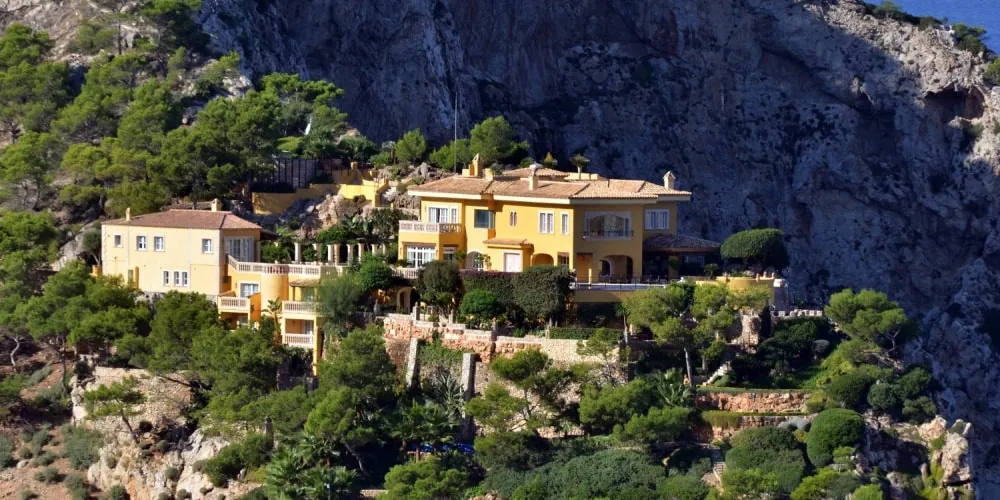 Maschmeyer villa, Sa Mola, Port d’Andratx (Dirk Vorderstraße, CC BY 2.0)
The south-west corner of the island is currently the hottest market in Mallorca in terms of demand, price movement and buying activity.
The region is popular with foreign buyers who enjoy close proximity to the capital and its excellent transport links, while enjoying the pleasures of some of the most stunning coastline and beaches on the island.
Growing demand for prime real estate in the area has supported consistent asking-price increases over the past few months. There were 144 asking-price changes in the region between January and May 2016, with an average asking-price difference of €342,674 recorded by CASAFARI.
At the epicentre of the market boom is Port Andratx (Puerto d’Andraitx) – a picturesque port town of 3,300 inhabitants, which has become a favoured spot among Europe’s elite. Homes in the €1-5M price range were listed at an average asking price of €7,507 per sq.m.
The area is particularly well known among ultra-high-net-worth buyers, as shown by a succession of eye-watering deals over the past few years. In November 2014 the “Maschmeyer Villa”, once home to Princess Diana, traded for a reported closing price of €40M, working out at an impressive €25,780 per sq.m.
Availability in this idyllic setting is limited, however. As of May 2016 there were just six villas for sale in local area under €500k, and just 33 listings in the €1-2M price bracket.
Camp de Mar, another town popular with European high- and ultra-high-net-worth buyers, is close behind: in early 2016 asking prices at the top of the market hit a spectacular €30k and €40k per sq.m.
I. Price distribution
Despite the high demand for properties in the south-west, there are still opportunities to invest in prime residential space in the area if you know where to look.
As shown by the charts below, the majority of available apartments in the region sits within the €0-500k price bracket, with about 1,000 such units being marketed at the start of 2016.
There is a higher inventory of houses, or villas, which is not surprising given the typical buying demographic in the region.
We note higher activity at the lower end of the prime segment (€1M-2M), with around 500 homes for sale. Availability at the higher end of the prime sector is more limited, with only around 200 properties currently listed at €3M and above.
Why are overseas investors turning to North-Eastern Mallorca?
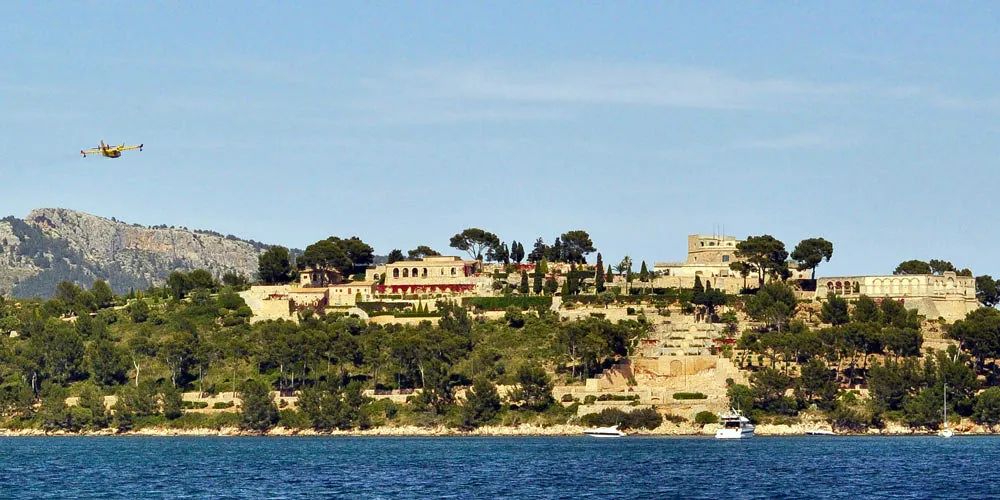 Villa La Fortaleza, Pollensa (Copyright: casafari.com. All Rights Reserved.)
Less developed and located at a greater distance from the island’s airport and commercial centre, the north Mallorca’s rural yet stunning north-east has yet to receive the same level of attention from investors enjoyed by the south-west.
While further from investors’ radar than other parts of the island, the north-east is beginning to tickle the fancy of the European elite. The area now has a steady sprinkling of investment hotspots – the towns of Pollensa, Alcudia, Santa Margalida, along with their outlying areas are among the most popular locations for overseas buyers.
According to CASAFARI Area Insights, North-Eastern Mallorca witnessed 28 asking-price increases during the recent period, with an average difference of €97,143 recorded between January and May 2016 based on indexed listings.
Meanwhile, activity towards the upper end of the market is being driven by Europe’s ultra-high-net-worth community. The port of Pollensa is renowned for being the scene of one of Spain’s biggest property deals of recent years: ‘La Fortaleza’, a 2,600 sq. m. former fort was sold to a British investment banker for a reported closing price of €40M in 2011. Watch this space.
Is Mallorca shifting from a buyer’s market to a seller’s market?
Given the amount of price movement on the island in recent weeks, coupled with the narrowing inventory of prime residential properties, we believe Mallorca is slowly turning from a buyer’s market to a seller’s market (see our guide on selling a property in Mallorca).
However, with a significant stock of prime properties still available on the island – especially in more remote areas – we believe there is still plenty of opportunity for investors to enter the market towards the beginning of the growth curve.
Explore CASAFARI Property Sourcing or log in to the CASAFARI platform for the most accurate, up-to-date Mallorca property listings and asking prices.
Frequently asked questions
How much did asking prices rise in Palma de Mallorca in 2015 and early 2016?
According to Idealista’s asking-price index, asking prices in Palma de Mallorca rose by 4.0% in 2015, marking the third-highest growth rate among major Spanish municipalities. In January 2016, asking prices grew by 1.1% year-on-year to reach €1,498 per sq.m. Between January and May 2016, CASAFARI recorded 79 asking-price increases across listings in the municipality, with an average price difference of €130,700.
Which areas of Palma de Mallorca are most popular with foreign property buyers?
Foreign property buyers in Palma concentrate primarily on the historic old town, Paseo Marítimo, Santa Catalina and Son Vida. Many buyers reside on the island on a permanent or semi-permanent basis, supported by direct flights from Palma de Mallorca Airport to major European capitals.
Why is South-Western Mallorca the most active prime market on the island?
South-Western Mallorca offers a prime combination of coastal landscapes, beaches and rapid access to Palma and its airport. Between January and May 2016, CASAFARI indexed 144 asking-price changes in the area averaging a €342,674 difference. In luxury hotspots like Port d’Andratx, prime properties in the €1M–5M bracket were listed at an average asking price of €7,507 per sq.m.
What are the main investment hotspots in North-Eastern Mallorca?
Investment in North-Eastern Mallorca centers on Pollensa, Alcudia, Santa Margalida and their surrounding countryside. Although less developed than the south-west, the region recorded 28 asking-price increases between January and May 2016 with an average differential of €97,143.
How can property professionals track asking prices and inventory in Mallorca with CASAFARI?
Property professionals use CASAFARI’s Area Insights and Property Sourcing to track active listing inventory, asking-price distributions and historical price changes across every municipality in Mallorca. You can search live listings on the CASAFARI platform or integrate real estate market data via the Area Insights API documentation.