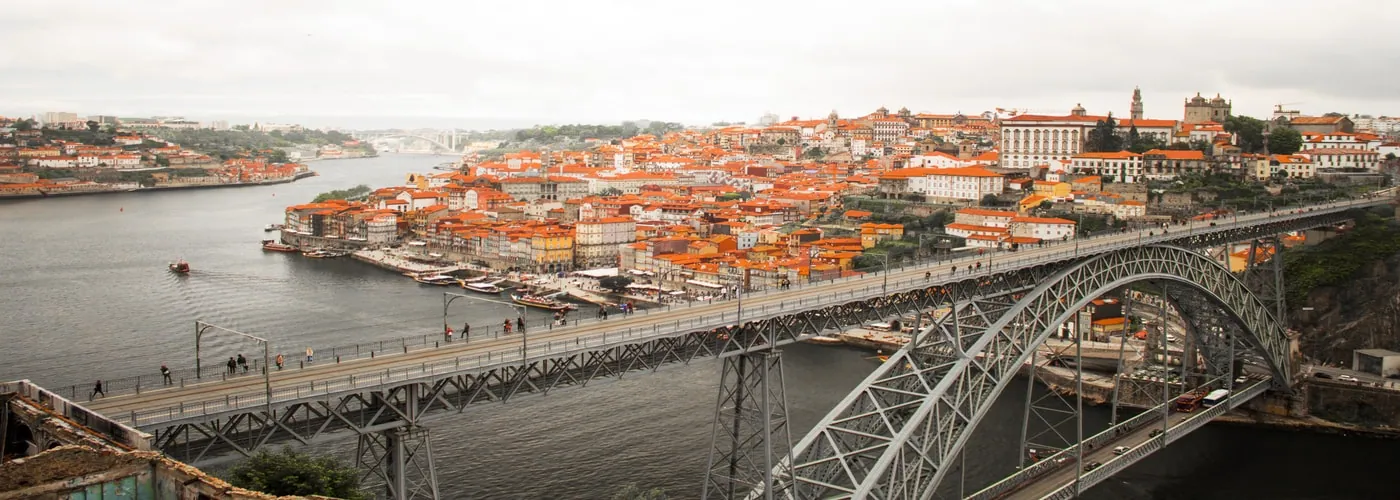
Encompassing 18 municipalities across 2,395 square kilometres with 1,860,255 residents, Porto District bridges an urban Atlantic core and a green industrial interior. According to CASAFARI Area Insights (location id 2924, queried October 2026), the average asking price for apartments across the district reached €3,289 per square metre in Q3 2026—up 6.4% year-on-year from €3,092 in Q3 2025—while asking rents stood at €22.8 per square metre per month, rising 9.1% year-on-year from €20.9.
Where Porto District is, how it connects and why buyers look beyond the city centre
Stretching along the Atlantic coast and the Douro River basin, Porto District forms the economic engine of Northern Portugal. International connectivity is anchored by Francisco Sá Carneiro Airport (OPO) in Maia and Matosinhos, which handled a record 16.9 million passengers in 2025 and 8.45 million passengers in H1 2026, introducing 21 new summer routes including direct flights to New York JFK, according to ANA Aeroportos de Portugal and Observador.
Public transport infrastructure is undergoing a major transformation in 2026 and 2027. Metro do Porto’s Pink Line (Linha Rosa, running 3 kilometres between São Bento and Casa da Música with four underground stations) began vehicle testing in October 2026 ahead of commercial opening by March 2027, as reported by ECO and Infraestruturas de Portugal. Meanwhile, the Ruby Line and the new Ferreirinha bridge are linking Porto directly to Santo Ovídio in Vila Nova de Gaia, and construction on the Porto-Campanhã to Oiã high-speed rail line officially commenced on 12 October 2026. For a broader overview of the national market, consult our guide to buying property in Portugal.
The 18 municipalities of Porto District: from the Atlantic coast to the Tâmega e Sousa valley
Navigating Porto District requires understanding the sharp contrast between the densely populated urban core, the bustling manufacturing belt, and the serene river valleys. For a wider view, see the property market in Portugal.
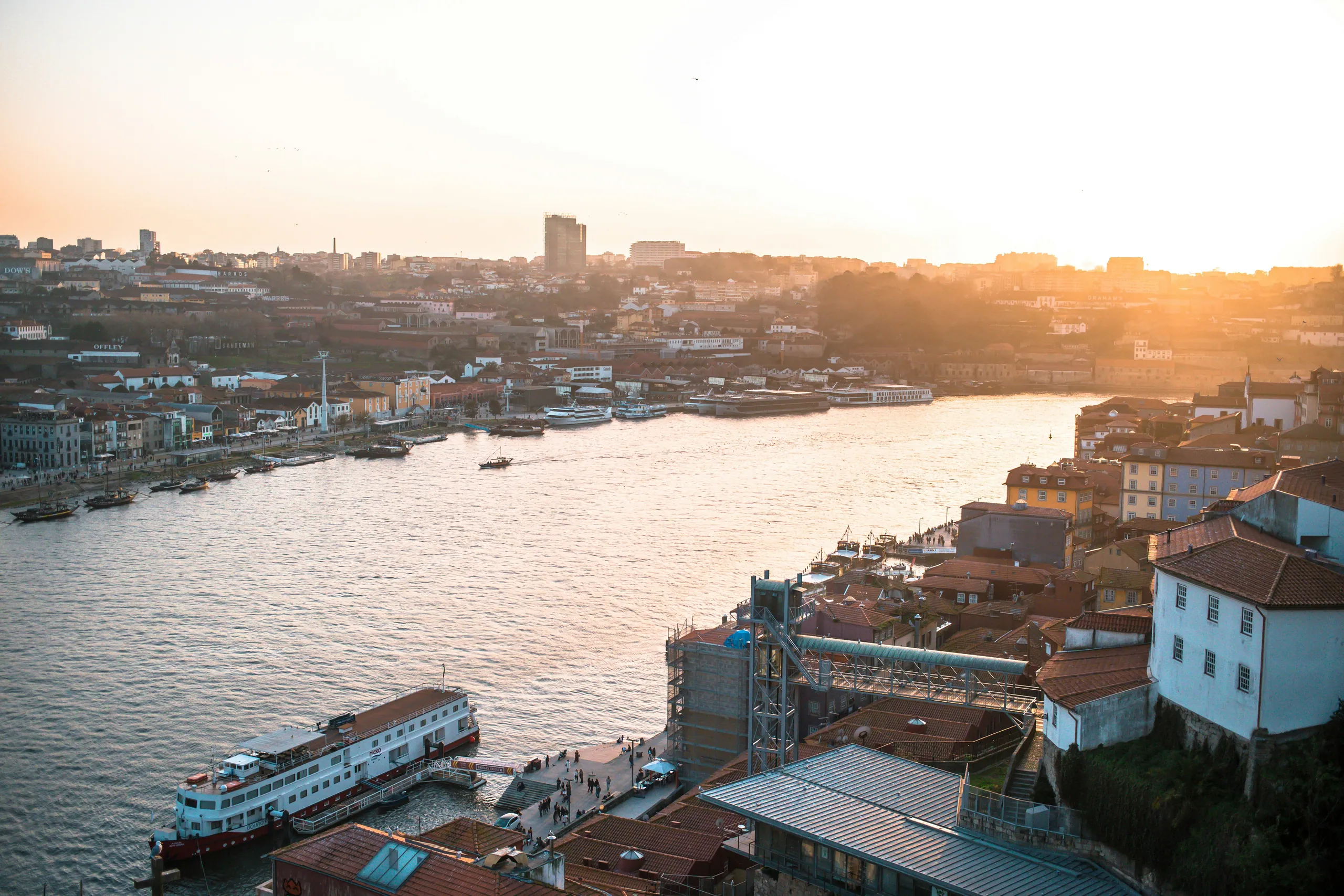
Along the Atlantic coast and urban core, Porto City serves as the historic, cultural, and university capital. Immediately north lies Matosinhos, known for its seafood culture, oceanfront architecture, tech offices, and Cruise Terminal. Across the Douro River, Vila Nova de Gaia offers Port wine lodges, extensive beaches, and key transport interchanges. Further north along Metro Line B sit Vila do Conde and the coastal resort of Póvoa de Varzim.
The first suburban and industrial ring includes Gondomar along the eastern Douro riverfront, Maia and Valongo as logistical and residential hubs, alongside Santo Tirso and Trofa to the north.
Further inland, the Tâmega e Sousa corridors are traditional powerhouses for furniture, footwear, and textile manufacturing. Paços de Ferreira, Paredes, and Felgueiras feature robust local economies, while Penafiel, Amarante Municipality, Marco de Canaveses, and Baião offer a scenic landscape of vineyards, granite quintas, and significantly lower entry prices.
Housing stock and buyer profiles across the district
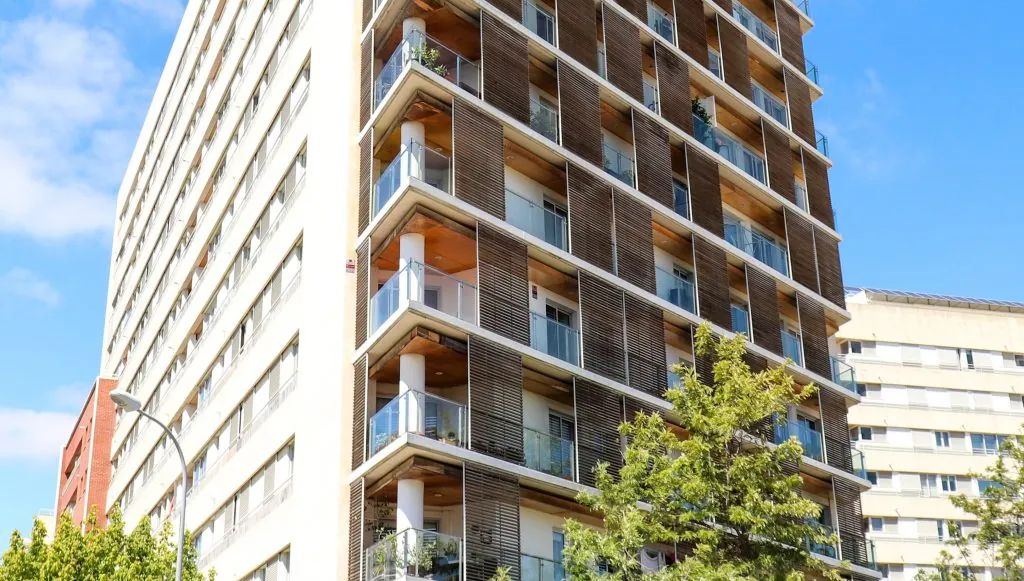
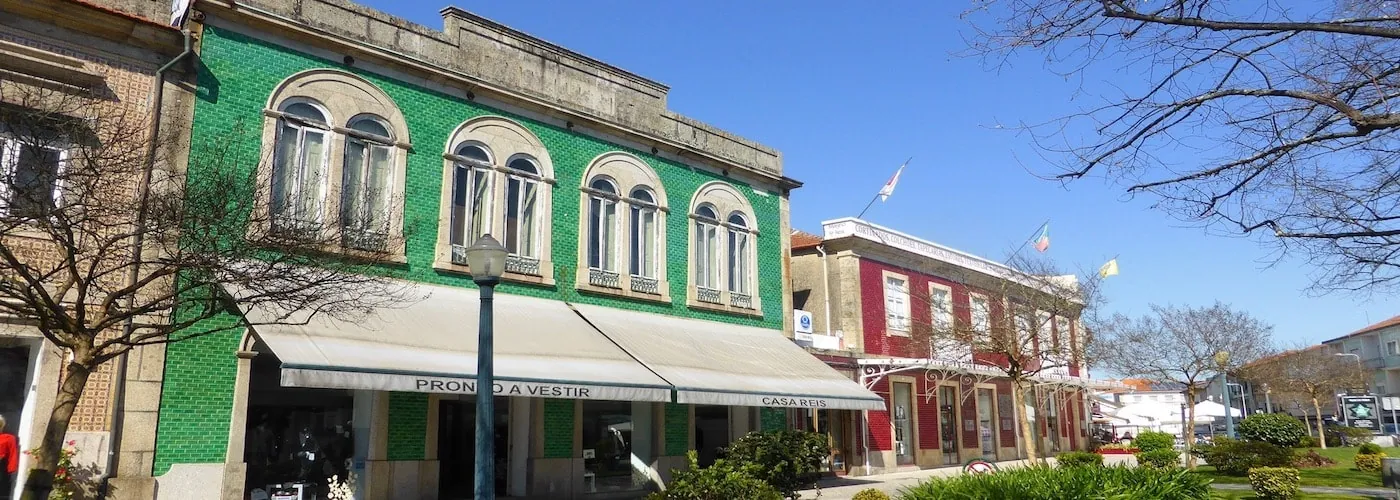
Architectural typologies vary dramatically across the region. In central Porto, buyers find 19th- and early-20th-century narrow townhouses featuring traditional azulejo façades and interior skylights (claraboias). Matosinhos Sul and Canidelo in Gaia offer contemporary glass-fronted oceanfront condominiums, whereas Maia and Gondomar feature post-1980s family apartment blocks. In the eastern interior, such as Amarante and Marco de Canaveses, properties transition into granite country estates and detached rural villas.
Market demand is driven by diverse buyer profiles. Domestic families priced out of central Porto are relocating along commuter rail and metro lines into Paredes, Penafiel, Gondomar, and Gaia. International relocators from the UK, the United States, Brazil, and Northern Europe frequently target Foz, Matosinhos, and coastal Gaia. Meanwhile, yield-focused investors acquire compact one- and two-bedroom apartments near the University of Porto’s major poles in Asprela and Campo Alegre.
Property prices and rental trends in Porto District: Q3 2026 market data
Sale asking prices across Porto District reflect a dynamic market. According to CASAFARI Area Insights (location id 2924, queried 25 October 2026), the average asking price for apartments for sale reached €3,289 per square metre in Q3 2026, representing a 6.4% year-on-year increase from €3,092 per square metre in Q3 2025. These figures derive exclusively from active listings indexed by CASAFARI with outliers excluded, rather than final closing prices.
On the rental side, CASAFARI Area Insights records an average asking rent for apartments of €22.8 per square metre per month in Q3 2026, marking a 9.1% year-on-year increase from €20.9 per square metre in Q3 2025. District-wide rental series have exhibited quarterly volatility following a supply-driven peak in mid-2024.
To understand transaction realities, asking figures must be contrasted with official closing prices from the Instituto Nacional de Estatística (INE). INE data reported by ECO and Diário de Aveiro shows that the median closing price for family dwellings in the Porto Metropolitan Area reached €2,669 per square metre in Q2 2026 (up from €2,305 in Q4 2025), while inside Porto Municipality alone, the median closing price reached €3,729 per square metre in Q1 2026 (up from €3,347 in Q4 2025). Analysing both datasets alongside insights on combining transactional data with asking prices helps professionals establish true market valuations.
Taxes, Alojamento Local, visas and licensing rules for buyers in 2026
Property acquisitions in Portugal are governed by updated fiscal and administrative frameworks. Property transfer tax (IMT) brackets were adjusted by 2% for 2026: primary residences remain exempt up to €106,346, with progressive marginal rates of 2% to 8% up to €660,982, a flat 6% rate up to €1,150,853, and 7.5% for values exceeding that threshold (secondary homes incur a 1% charge on the initial bracket). Under IMT Jovem, buyers aged 35 or under purchasing their first primary residence receive a full exemption from IMT and Stamp Duty up to €330,539, with partial relief up to €660,982. Buyers also pay a 0.8% Stamp Duty (Imposto do Selo) on the deed value and an annual municipal property tax (IMI) ranging between 0.3% and 0.45% of the tax registration value (VPT).
Short-term rental regulations have stabilized following Decree-Law 76/2024, in force since November 2024. As detailed in the official legislation on Decree-Law 76/2024 on Alojamento Local, the national suspension on new coastal registrations, the mandatory five-year renewal, and the extraordinary CEAL tax were repealed, and licence transferability upon sale was restored outside municipal containment zones. Municipalities retain authority over local zoning; Porto City implements specific containment and sustainable growth rules.
Under the Urbanistic Simplex (Decree-Law 10/2024, effective since January 2024 and outlined in the documentation on Decree-Law 10/2024 (Urbanistic Simplex)), sellers are no longer legally obliged to present the habitation licence or Ficha Técnica de Habitação at the public deed of sale. Consequently, technical and legal due diligence by an independent lawyer and architect is essential before signing a promissory contract.
Regarding residency, real estate purchases no longer qualify for the Portuguese Golden Visa, though the route remains active via €500,000 investment funds. Relocating buyers typically utilize the D7 passive income visa or the D8 digital nomad visa. The former NHR tax regime has been replaced by the IFICI framework, offering a 20% flat tax rate on qualifying professional income and exemptions on most foreign-source earnings for ten years to qualified researchers and tech specialists.
How real estate professionals and investors analyse Porto District with CASAFARI
Navigating the micro-market divergences between coastal Foz do Douro and interior Penafiel requires robust, verified data. Estate agents, developers, and institutional investors rely on CASAFARI to track active inventory and historical pricing.
Professionals use CASAFARI Area Insights to monitor asking-price trends and supply shifts down to parish level. For comparative market analyses, CASAFARI Valuation and Market Study combines active listings with verified closing data. Sourcing inventory across disparate portals is streamlined via CASAFARI Property Sourcing, while developers building internal applications utilize the Area Insights API documentation. To begin exploring district-level data, sign in to the CASAFARI platform.
Frequently asked questions
What are the property transfer taxes (IMT and Stamp Duty) in Portugal in 2026?
Property buyers in Portugal pay IMT (Property Transfer Tax) and 0.8% Stamp Duty on the higher of the purchase price or tax value (VPT). In 2026, IMT brackets rose by 2%, offering primary residence exemptions up to €106,346, progressive rates up to €660,982, and top rates of 7.5% for properties exceeding €1,150,853. Additionally, buyers aged 35 or under purchasing their first primary home benefit from IMT Jovem, granting full exemption from IMT and Stamp Duty up to €330,539.
What are the rules for Alojamento Local (short-term rentals) in Porto District?
Decree-Law 76/2024, in force since November 2024, abolished the national ban on new coastal short-term rental registrations, removed the five-year mandatory renewal, and repealed the extraordinary CEAL tax. Licences are once again transferable upon sale, provided the property is not located within a municipal containment zone. Individual municipalities, including Porto City, regulate their own zoning policies to balance residential supply with tourism.
Which visas and tax regimes are available for foreign property buyers in Portugal in 2026?
Real estate investments no longer qualify applicants for the Portuguese Golden Visa, though fund-based investment pathways remain open. Foreign buyers seeking residency typically apply for the D7 passive income visa or the D8 digital nomad visa. For taxation, the former NHR regime has been succeeded by the IFICI framework, which provides a 20% flat tax rate on qualifying employment income and broad foreign-source exemptions for a duration of 10 years.
Do you still need a habitation licence (licença de utilização) to buy a property in Portugal?
Under the Urbanistic Simplex (Decree-Law 10/2024), presentation of the habitation licence and Ficha Técnica de Habitação is no longer mandatory at the public deed of sale. However, properties must still comply fully with municipal urban planning regulations, and lending institutions frequently demand proof of urbanistic legality for mortgage approval, making thorough legal due diligence essential prior to contract signing.
What should buyers look for when considering property types across the different zones of Porto District?
The housing stock varies significantly depending on your preferred lifestyle and location. In central Porto, you will encounter 19th- and early-20th-century townhouses featuring characteristic azulejo façades and internal skylights, while coastal areas like Matosinhos and Canidelo offer modern, glass-fronted oceanfront apartments. If you are looking further inland towards Amarante or Marco de Canaveses, you will find a shift towards granite country estates and detached rural villas.
How is the public transport landscape evolving for residents living outside the city centre?
Connectivity is being significantly improved throughout the district to support commuters and residents. The Metro do Porto’s new Pink Line is scheduled to open by March 2027, and major infrastructure projects like the Ruby Line and the high-speed rail line to Oiã are currently underway. These investments are effectively linking outlying municipalities such as Vila Nova de Gaia and Paredes more closely to the urban core.