CIUTAT VELLA PROPERTY GUIDE
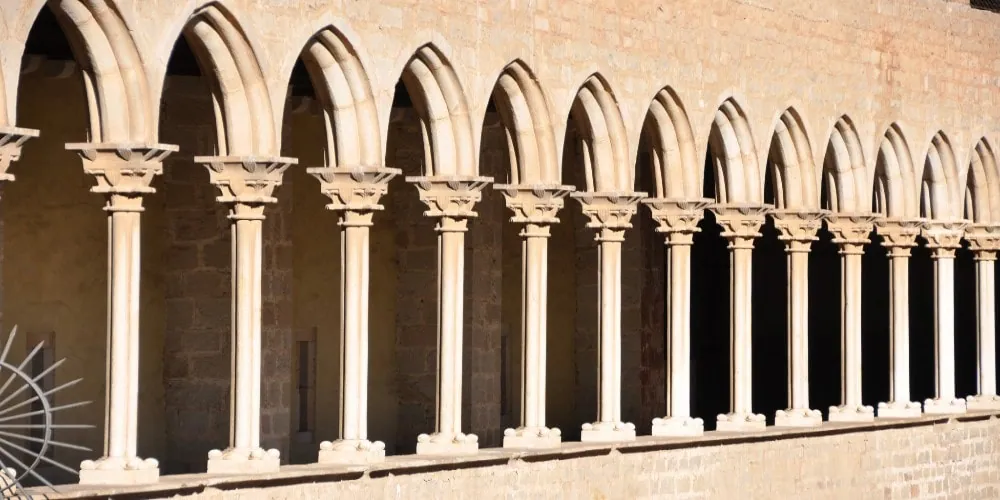
Narrow alleyways, hidden medieval courtyards and breathtaking architecture nestled amongst Roman Ruins
Ciutat Vella—Barcelona’s historic District 1, encompassing the Gothic Quarter, El Born, El Raval and La Barceloneta—recorded an average asking price of €5,283/m² for apartments for sale (+4.7% year-on-year) and €29.9/m²/month for asking rents (+1.7% year-on-year) in Q3 2026 according to CASAFARI Area Insights, alongside official registered closing prices averaging €4,806/m² in Q2 2026.
Where Ciutat Vella sits in Barcelona and how it is connected
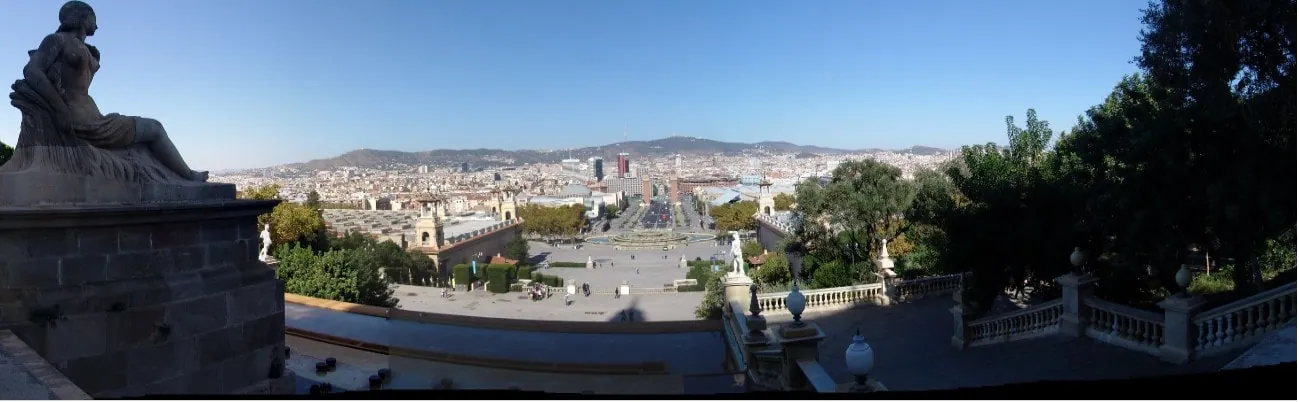
Bounded by Plaça de Catalunya and Eixample to the north-west, Parc de la Ciutadella to the north-east, El Poble-Sec and Montjuïc to the south-west, and Port Vell and the Mediterranean beaches to the south-east, Ciutat Vella is the vibrant heart of the city. For a broader overview of the wider municipal market, consult the Barcelona property market guide.
Transport connectivity is exceptionally dense. Metro lines L1, L3 (running directly along La Rambla) and L4 (serving Via Laietana and Barceloneta) intersect the district, complemented by suburban rail and FGC connections at Plaça de Catalunya and Estació de França. For international travel, direct 24-hour Aerobús A1 and A2 services run from Plaça de Catalunya to Josep Tarradellas Barcelona–El Prat Airport in 30 to 35 minutes, while the R2 Nord commuter train departs from nearby Passeig de Gràcia station in about 25 minutes.
Two major public-realm transformations have significantly boosted property appeal on the ground. The €38 million overhaul of Via Laietana was completed on 29 June 2025, introducing 4-metre pavements and calming traffic between Gòtic and El Born. Meanwhile, the final phase of La Rambla’s pedestrian-focused remodelling reopened the Raval-side lane on 29 September 2026, with full project completion scheduled for February 2027.
Four neighbourhoods, four distinct property micro-markets
Ciutat Vella is far from a monolith. Property prices, building typologies, ambient noise levels and buyer profiles shift dramatically from one alley to the next.
- El Barri Gòtic: Centred on Plaça Sant Jaume, Plaça Reial and the Cathedral, this Roman and medieval core features grand 19th-century fincas regias along Via Laietana and Carrer Ferran. It remains a perennial favourite for international second-home buyers seeking historic character, detailed in the Gothic Quarter (Barri Gòtic) property guide.
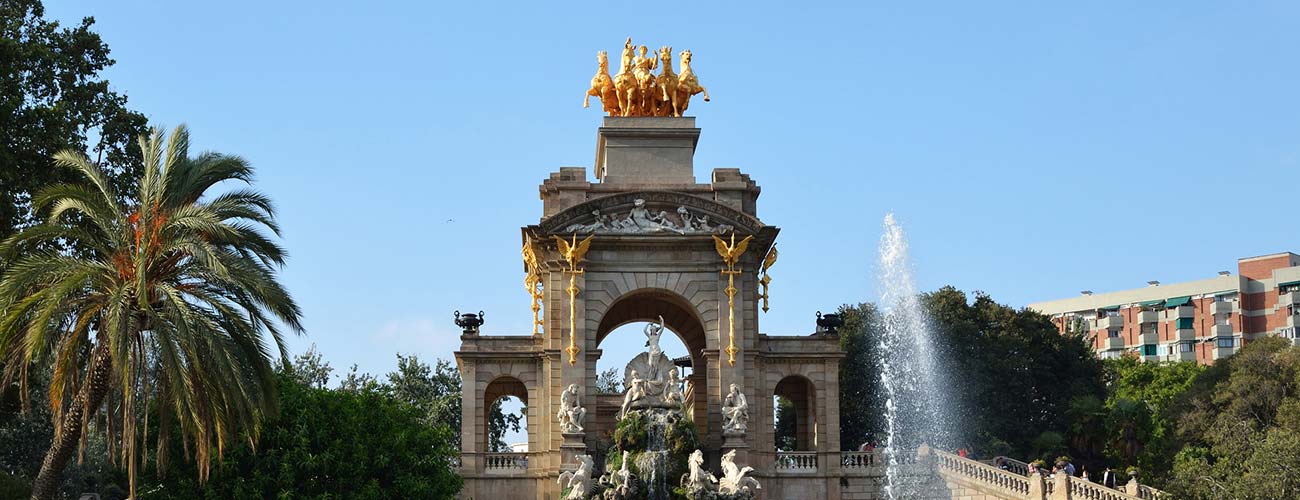
- Sant Pere, Santa Caterina i la Ribera (El Born): Stretching from the Palau de la Música and Mercat de Santa Caterina down to Santa Maria del Mar, the Picasso Museum and Parc de la Ciutadella, El Born offers converted merchant palaces with exposed stone walls and Catalan vaulted ceilings (volta catalana). Explore specific opportunities via the El Born and La Ribera property guide.
- El Raval: Located west of La Rambla down to Ronda de Sant Antoni and Paral·lel, El Raval hosts cultural landmarks such as MACBA, CCCB, La Boqueria and the Michelin-selected restaurant Dos Pebrots, alongside university campuses. Denser 18th- and 19th-century walk-up buildings offer lower entry price points and refurbishment potential, as outlined in the El Raval property guide.
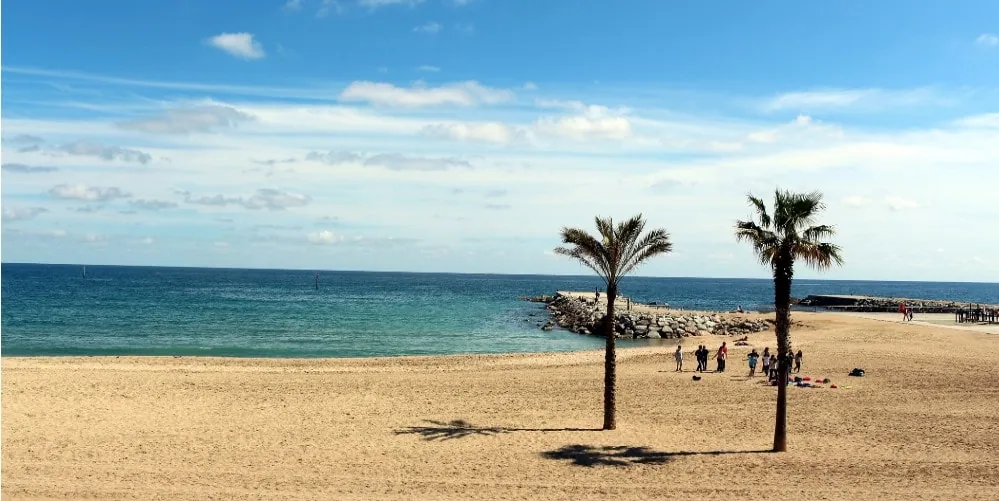
- La Barceloneta: The 18th-century Enlightenment grid nestled between Port Vell—home to OneOcean Marina—and the Mediterranean beaches. It comprises compact 30 to 40 square metre fisherman’s flats (quarts de casa) offering marine light and dual aspect, governed by strict heritage protections, as detailed in the La Barceloneta property guide.
What it is like to live in Ciutat Vella and who buys here
Daily life in Ciutat Vella is defined by total walkability. Within a 15-minute radius, residents access world-class museums, superyacht marinas, beaches, historic food markets and university faculties. This is balanced against the realities of narrow pedestrian alleys, limited private vehicular parking and lively evening footfall.
According to municipal data from the Ajuntament de Barcelona Padrón Municipal, Ciutat Vella had 115,829 registered residents as of 1 January 2026. Of these, 66.6% were born abroad (10.0% originating from other EU nations—led historically by Italy and France—and 56.6% from outside the EU), cementing its status as Barcelona’s most international district.
When purchasing pre-1900 brick-and-beam fincas regias, hydraulic mosaic tiles (suelos hidráulicos) and timber beams, technical due diligence is paramount. Buyers must verify the Building Technical Inspection (Inspección Técnica del Edificio, ITE), the certificate of habitability (cédula de habitabilidad), lift retrofits, acoustic insulation and potential municipal urban planning affections (afectaciones urbanísticas).
Ciutat Vella property prices and rental yields in 2026
Understanding market values requires a clear distinction between asking prices from active listings and official registered closing prices from property deeds.
According to CASAFARI Area Insights (location id 10545, queried 25 October 2026), the average asking price for apartments for sale in Ciutat Vella reached €5,283/m² in Q3 2026, marking a 4.7% year-on-year increase from €5,045/m² in Q3 2025. By contrast, official closing prices published by the Ajuntament de Barcelona based on data from the Colegio de Registradores averaged €4,806/m² constructed in Q2 2026 (up from €4,647/m² in Q1 2026 and a full-year average of €3,817/m² or €302,700 per transaction in 2025). The roughly 9% to 10% spread reflects both negotiation margins and the premium commanded by turnkey, renovated flats equipped with lifts over unrenovated walk-ups.
On the rental side, CASAFARI Area Insights records an average asking rent of €29.9/m²/month in Q3 2026, up 1.7% year-on-year from €29.4/m²/month in Q3 2025. Conversely, official closing rents on signed long-term residential contracts registered with INCASÒL averaged €18.41/m²/month (€1,011/month for a 61 square metre flat) in Q1 2026, rising from €17.71/m²/month in Q1 2025. This divergence occurs because long-term residential leases remain bound by Catalonia’s stressed-zone rent reference index, whereas portal listings traditionally skew toward mid-term corporate or furnished stock.
Taxes, residency and rental regulations every buyer must know in 2026
Acquiring residential real estate in Catalonia involves navigating a rigorous legislative framework:
- Progressive ITP Property Transfer Tax: Under Decree-Law 5/2025 (in force since June 2025), resale buyers pay progressive Property Transfer Tax brackets: 10% up to €600,000; 11% between €600,000.01 and €900,000; 12% between €900,000.01 and €1,500,000; and 13% for amounts exceeding €1,500,000, according to the Catalan Tax Agency (ATC) progressive ITP rates. Large landlords (grandes tenedores) and whole-building acquisitions face a flat 20% rate, while eligible buyers under 35 purchasing a primary residence benefit from a reduced 5% rate.
- Short-Term Tourist Lets and PEUAT: Ciutat Vella lies within PEUAT Specific Zone 1 (ZE-1), a natural degrowth zone where zero new tourist licences (Habitatges d’Ús Turístic, HUT) can be issued and surrendered licences cannot be reissued. Furthermore, under Catalan Decree-Law 3/2023 and the City Council’s phase-out decree, all 10,101 existing tourist apartment licences in Barcelona will expire on 24 November 2028.
- Seasonal and Room Rentals: Governed by Catalan Law 11/2025 (in force since 1 January 2026) and reinforced by State Royal Decree-Law 29/2026, seasonal rentals in stressed zones signed for work, study or medical reasons are subject to statutory rent caps and require documentary proof of temporary cause. Room-by-room rents cannot exceed the cap established for the whole apartment.
- Abolition of the Golden Visa: Non-EU buyers should note that Spain permanently abolished the €500,000 real estate Investor Residency Visa on 3 April 2025 under Organic Law 1/2025 in the Official State Gazette (BOE). Residency options now require alternative pathways such as the Digital Nomad Visa or Non-Lucrative Visa.
How to analyse and source property in Ciutat Vella with CASAFARI
Navigating a micro-market where adjacent buildings can vary by €2,500/m² requires institutional-grade data. Property professionals and investors rely on CASAFARI Area Insights to track asking price and rent series down to barrio level, monitoring supply shifts across the historic centre.
To capture off-market opportunities, price reductions and private-seller listings, CASAFARI Property Sourcing delivers a deduplicated market feed in real time. For precise comparative valuations that adjust for lift access, floor levels, architectural finish and orientation, users deploy CASAFARI Valuation and Market Study. To explore automated data workflows, review the Area Insights API and MCP documentation, or sign in to CASAFARI Platform to begin your analysis.
Frequently asked questions
Can you get a tourist licence for an apartment in Ciutat Vella?
No. Ciutat Vella falls within Specific Zone 1 (ZE-1) of Barcelona’s Special Urban Plan for Tourist Accommodation (PEUAT), a natural degrowth zone where zero new tourist licences (HUT) are issued. Furthermore, under Catalan Decree-Law 3/2023, the Barcelona City Council is extinguishing all 10,101 existing tourist apartment licences across the city on 24 November 2028, returning those properties entirely to residential use.
Which neighbourhood in Ciutat Vella is best for buying property?
The ideal neighbourhood depends on your investment strategy and lifestyle preferences. El Barri Gòtic and El Born appeal to buyers seeking historic character, grand fincas regias and proximity to cultural landmarks, whereas El Raval offers lower entry prices and refurbishment potential for value investors. La Barceloneta provides compact seafront flats with maritime views, though stock is tightly constrained by strict local heritage regulations.
What are the property purchase taxes in Catalonia in 2026?
Under Catalonia’s Decree-Law 5/2025, resale buyers pay a progressive Property Transfer Tax (ITP) scale: 10% on values up to €600,000; 11% between €600,000.01 and €900,000; 12% between €900,000.01 and €1,500,000; and 13% on any amount exceeding €1,500,000. Large landlords and whole-building buyers face a flat 20% rate, while qualifying buyers under 35 purchasing a primary residence benefit from a reduced 5% rate.
How do seasonal rental rules in Barcelona affect landlords in Ciutat Vella?
Since 1 January 2026, under Catalan Law 11/2025 and national Royal Decree-Law 29/2026, seasonal leases signed for work, study or medical reasons in stressed housing zones like Barcelona are subject to the same statutory rent caps as long-term residential contracts. Landlords must attach documentary proof of the temporary cause to the lease, and room-by-room rentals are strictly regulated so their combined income cannot exceed the whole-apartment cap.
What technical checks are necessary when buying historic properties in Ciutat Vella?
When acquiring pre-1900 brick-and-beam fincas regias featuring hydraulic mosaic tiles and timber beams, technical due diligence is essential. Buyers should verify the Building Technical Inspection (ITE), the certificate of habitability, lift retrofits, acoustic insulation and any potential municipal urban planning affections.
Why is there a difference between portal asking prices and official closing prices in Ciutat Vella?
The variance between the two reflects negotiation margins and the premium commanded by turnkey, renovated flats with modern amenities like lifts compared to unrenovated walk-ups. For instance, while Q3 2026 asking prices averaged €5,283/m², official registered closing prices in Q2 2026 averaged €4,806/m², highlighting the importance of using accurate, verified data for market analysis.