Liège
The Burning City: A Riverside Fusion of Walloon Heritage and Bold Urban Renaissance
Discover a city that beats with a warm, rebellious heart. As the economic capital of Wallonia, Liège offers a compelling mix of historical grit, avant-garde architecture, and a conviviality that makes it a prime destination for both lifestyle-oriented homeowners and savvy buy-to-let investors.
Living in Liège: The Warmth of the Meuse
Liège, often called “La Cité Ardente” (The Burning City), is famous for the legendary hospitality of its inhabitants and its festive atmosphere. It is a city undergoing a massive transition, shedding its industrial skin to reveal a vibrant, modern European hub.
Lifestyle
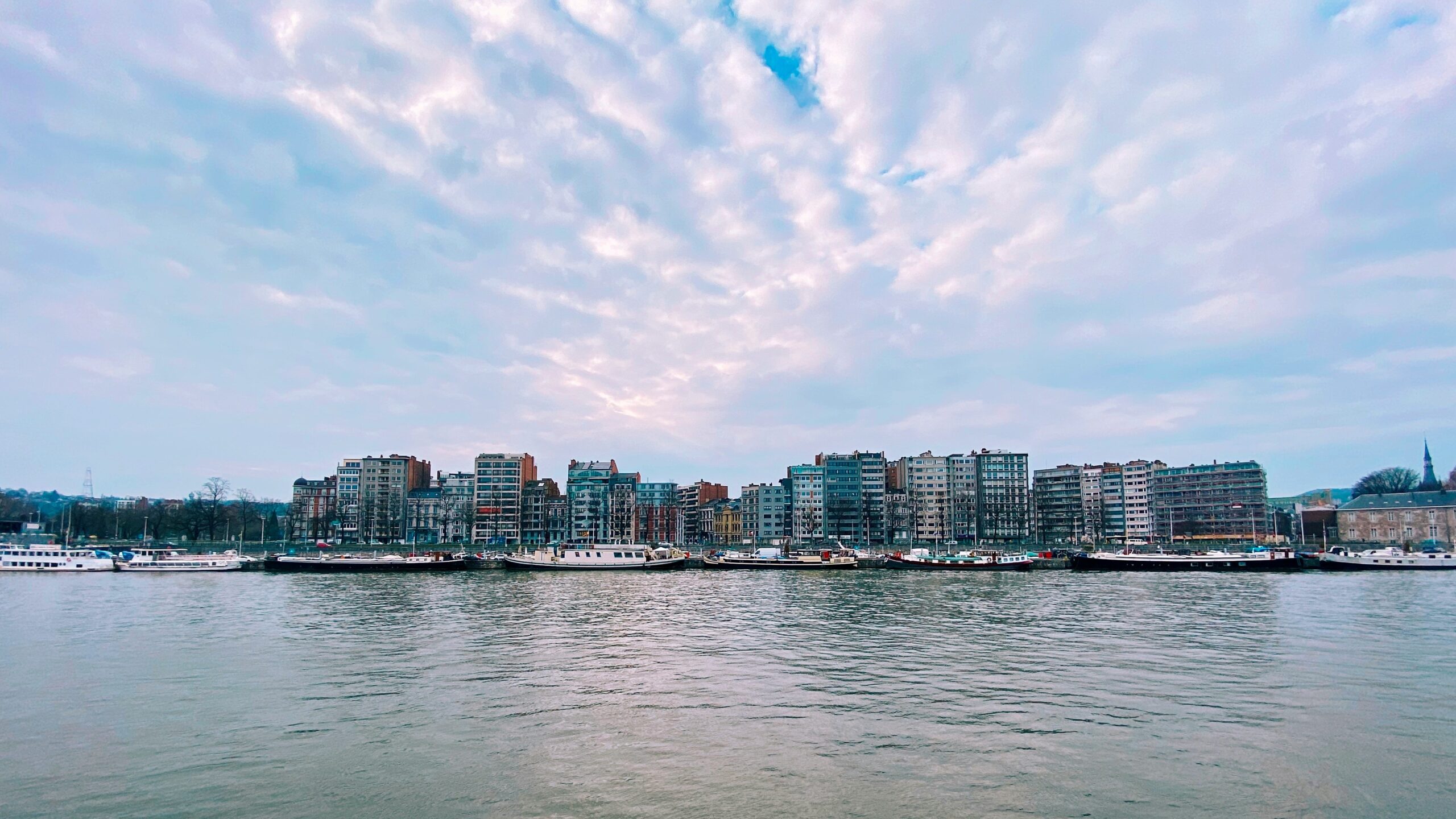
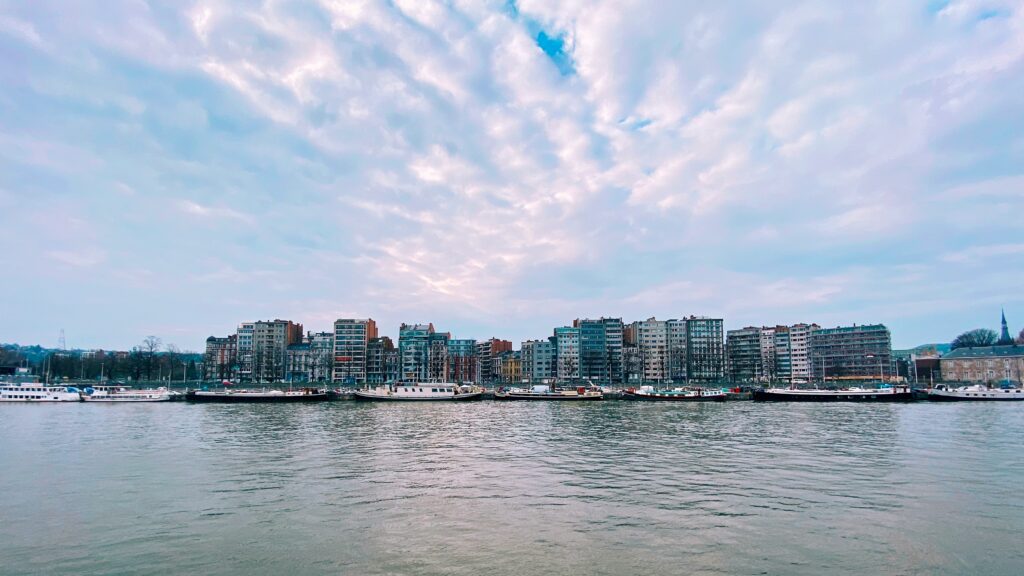
Life in Liège is centered around the concept of le plaisir de vivre (the joy of living). It is a city of gourmands—home to the world-famous Liège waffle and the spicy Boulets Liégeois. The lifestyle here is unpretentious yet culturally rich. From the Sunday morning ritual of the Marché de la Batte (Europe’s oldest and largest riverside market) to the lively nightlife in Le Carré, there is a constant pulse of energy. For buyers, the city offers a diverse architectural palette, from grand 19th-century townhouses in the Avroy district to sleek, modern apartments overlooking the Meuse.

Climate
Liège enjoys a temperate maritime climate. Summers are pleasant and green (avg. 22°C), perfect for boat tours on the river, while winters are cool and atmospheric. The city is particularly enchanting in December, hosting the largest and oldest Christmas Village in Belgium, which transforms the center into a glowing alpine fantasy.
What to do
For residents, leisure in Liège is defined by a distinct “neighborhood spirit”:
Market Mornings & Gastronomy
Sunday is anchored by the Marché de la Batte, Belgium’s oldest and largest market. Locals gather along the Meuse to buy fresh produce, followed by a ritualistic apéritif (appetizer) at the nearby café terraces. For a taste of modern Liège, the La Grand Poste serves as a contemporary food hall and creative hub where young professionals and families enjoy local craft beers and international street food in a restored heritage building.
Art & Greenery
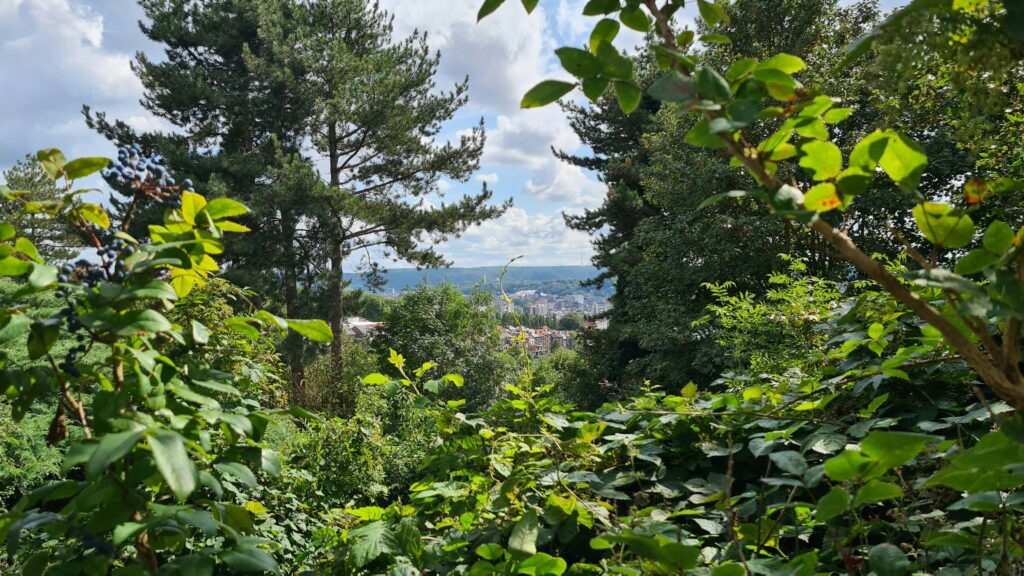
Saturday afternoons are often spent at Parc de la Boverie. This island park is the city’s lungs, where residents picnic between world-class exhibitions at the La Boverie Museum and stroll through the rose gardens. For those living in the trendy Outremeuse district, the Friday morning flea market at Saint-Pholien is a must for antique hunters and vintage lovers.
Another favorite local challenge is climbing the Montagne de Bueren, a 374-step staircase offering the most iconic view of the city. For a slower pace, the Coteaux de la Citadelle provides over 60 hectares of urban nature and walking paths just steps from the historic center.
Original Shopping
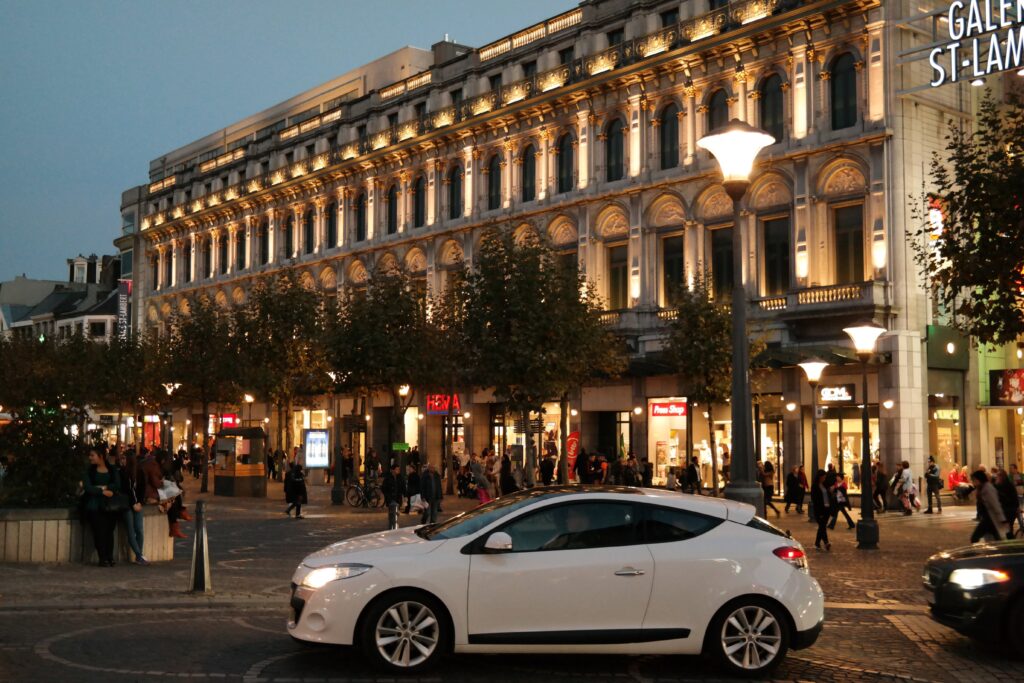
Moving away from the high-street brands of Médiacité, residents frequent the artisan-led streets of En Neuvice and Rue Souverain-Pont. These pedestrian arteries are the heart of the “slow shopping” movement in Liège, featuring everything from independent bookstores and leather workshops to the iconic bakery Une Gaufrette Saperlipopette, where the scent of warm cinnamon and pearl sugar is a constant companion.
Evening Culture
Nightlife isn’t just for students in the Carré. Discerning residents enjoy high-end performances at the Royal Opera of Wallonia or contemporary jazz at Le Reflektor. For a quiet evening, the “alternative” zones of Saint-Léonard and Roture offer hidden courtyard bars and bistros tucked away in 17th-century houses, proving that the “Burning City” knows exactly how to simmer with elegance.
Mobility & Transportation
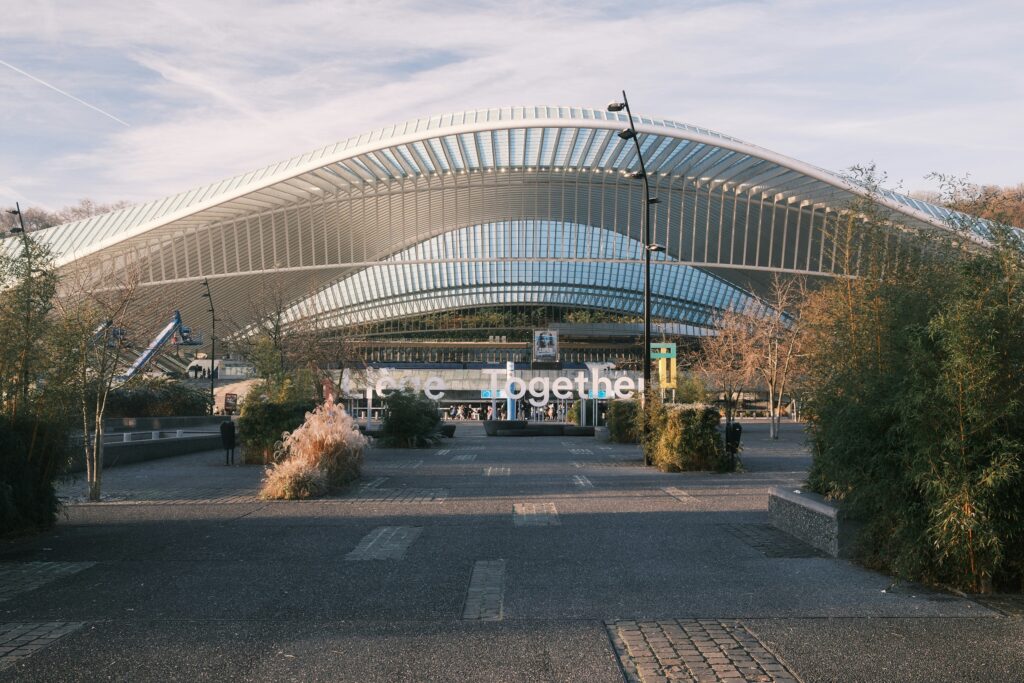
Liège is a major European crossroads. The Liège-Guillemins station, a white steel-and-glass masterpiece designed by Santiago Calatrava, connects residents to Brussels (50m), Paris (2h 15m), and Cologne (1h) via high-speed rail. The city is also witnessing a mobility revolution with the introduction of its new tram line, which will seamlessly connect the main districts. For international business and logistics investors, the Liège Airport is one of the fastest-growing cargo hubs in Europe.
Visiting Liège: From Princely Palaces to Modern Art
For tourists and investors scouting the terrain, Liège reveals its history through a “vertical” journey—from the riverside docks to the high citadel.
Must-See Attractions
- Liège-Guillemins Station: Even if you aren’t catching a train, this architectural marvel is a must-visit for its cathedral-like proportions and futuristic light play.
- Palace of the Prince-Bishops: Dominating the Place Saint-Lambert, this imposing structure reminds visitors of Liège’s unique history as an independent principality for eight centuries.
- Grand Curtius Museum: A stunning 17th-century mansion housing a massive collection of art and history, its blood-red facade is an icon of the Mosan Renaissance.
- La Boverie: Located in a park on an island between the Meuse and the Diversion canal, this fine arts museum (partnered with the Louvre) hosts world-class exhibitions in a serene, leafy setting.
- The Royal Opera of Wallonia: One of the premier opera houses in Europe, offering high-end cultural experiences in a beautifully restored neoclassical building.
Best Neighborhoods for Tourists in Liège
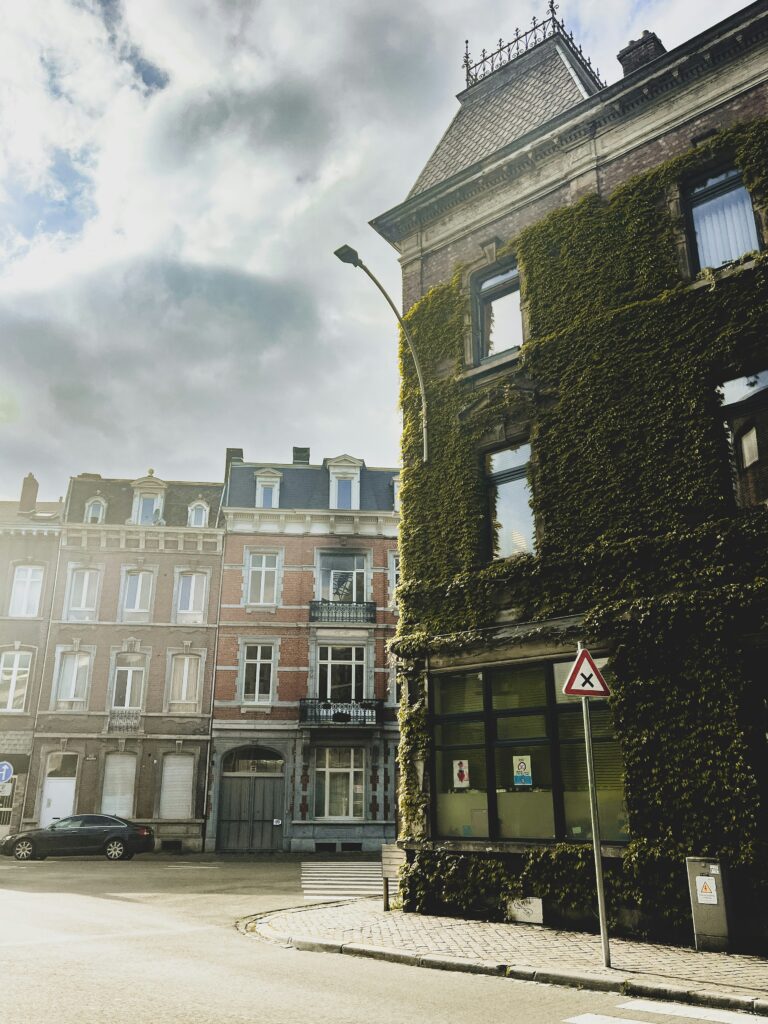
- Le Coeur Historique: The oldest part of town, filled with cobblestone alleys, artisan shops, and medieval architecture.
- Outremeuse: The “republic” across the river, known for its folklore, Art Deco buildings, and the spirit of the famous writer Georges Simenon.
- L’Hyper-centre: Perfect for those who want to be in the middle of the shopping districts and the vibrant “Le Carré” dining scene.
Exploring the Surroundings: Short Day Trips
Liège is the gateway to the Ardennes and the “Three Borders” region:
- The High Fens (Hautes Fagnes): A stunning nature reserve of bogs and heaths, perfect for hiking in summer or cross-country skiing in winter.
- Spa: The original “spa” town and a UNESCO World Heritage site, famous for its thermal springs and the Formula 1 Belgian Grand Prix circuit.
- Maastricht: Just 30 minutes north, this chic Dutch city offers high-end shopping and a different cultural flavor just across the border.
The Business Landscape in Liège: A European Gateway for Innovation and Logistics
Liège is no longer just the “steel city” of the past; it has transformed into a high-tech hub and a logistical powerhouse at the crossroads of Europe. For investors, this economic diversification provides a stable foundation for both commercial real estate and buy-to-let residential demand.
- Europe’s Logistic Heart: Liège is part of the “Golden Triangle” (Paris-Amsterdam-Frankfurt). Liège Airport is currently the 5th largest cargo airport in Europe and is on track to reach the top three by 2030, serving as the European hub for global giants like Alibaba (Cainiao) and FedEx. This activity is bolstered by the Liège Trilogiport, a 120-hectare trimodal terminal that connects the city directly to the North Sea ports of Antwerp and Rotterdam.
- Life Sciences & Biotechnology: The city is a leader in the “Biomed” sector. The Liège Science Park and the newly developed LégiaPark host a dense ecosystem of over 100 companies specializing in biotechnology, pharmaceuticals, and medical devices. This attracts high-income researchers and international talent, creating a consistent demand for premium rental housing.
- Digital & Circular Economy: Massive urban redevelopment projects, such as the transformation of La Grand Poste, have turned Liège into a magnet for digital nomads and tech startups. The city is also a pioneer in the “Circular Economy,” focusing on sustainable manufacturing and urban recycling.

- A National Perspective: Belgium’s Economic Powerhouses: Liège operates as a vital gear within the broader Belgian economic machine. For a comprehensive investment strategy, it is essential to understand its connection to the country’s other primary business hubs:
- Brussels, The Decision-Making Center: Just 50 minutes away, the capital remains the service-oriented heart of the country. As the de facto capital of the EU and home to NATO, it hosts an unparalleled concentration of multinational HQs and diplomatic missions. The Leopold and North Districts continue to drive the nation’s highest office demand and international relocation needs.
- Antwerp, The Industrial Engine: Around 1h30 to the north, Antwerp is Europe’s second-largest port, anchoring the country’s chemical and petrochemical clusters. The synergy between Antwerp’s maritime trade and Liège’s inland logistics creates a “backbone” of commerce that sustains the Belgian economy.
- Ghent, The Innovation Hub: Known for its thriving biotech and research ecosystem, Ghent (around 1h40 away from Liège) leverages its world-class university to foster a high concentration of startups.
Optimizing Your Liège Investment
The “Tram Effect” and Value Appreciation
The introduction of the Liège Tramway (spanning from Sclessin to Herstal) has been a primary catalyst for capital appreciation. Real estate data shows a “proximity premium” where properties within 400–500 meters of a tram station have seen value increases of 5% to 15% over the last few years. This trend is expected to continue as the network matures and further pedestrianizes the city center.
Key Investment Segments
- Luxury & Prestige: Demand is concentrated in the Avroy and Boulevard Piercot areas, known for high-ceilinged 19th-century mansions and modern luxury penthouses with Meuse river views, combining historical charm with energy efficiency.
- Student Housing: With over 20,000 students at ULiège and various colleges, there is a chronic shortage of quality student rooms.
- Eco-Districts & New Builds: Projects like Paradis Express (near the Guillemins station) exemplify the new Liège: mixed-use eco-districts that combine office space, residential units, and green areas. These are highly sought after by institutional investors and professionals seeking low-maintenance, energy-efficient homes.
Summary
Liège is a city of character, blending a rich princely past with a bold, industrial-chic future. It offers a high quality of life fueled by world-class rail connectivity, a legendary social scene, and a real estate market that remains remarkably accessible compared to other Belgian hubs. Its efficient transportation system, that easily connects the city to Brussels, Paris and Cologne, makes Liège the perfect spot to live, invest and to be the destination of a business trip.
From the prestigious townhouses of Avroy to the burgeoning lofts of the riverside, Liège is a hidden gem for those seeking a soulful urban lifestyle and a smart, data-driven investment.