
Gdansk
The Amber Capital of the North
Located on the Baltic coast, Gdansk is the jewel of Northern Poland. As the principal seaport of the country and a key member of the “Tricity” (Trójmiasto) metropolitan area—alongside Sopot and Gdynia—Gdansk offers a unique blend of thousand-year-old history and cutting-edge economic growth.
For investors and residents alike, it represents one of the most stable and attractive real estate markets in Central Europe.
Lifestyle and Leisure in Gdansk: Living Like a Local
For residents and tourists, Gdansk is a city that perfectly balances urban energy with coastal tranquility. While tourists flock to the Long Market, locals find their rhythm in the city’s vast green spaces, industrial-cool hangouts, and the thriving wellness scene.
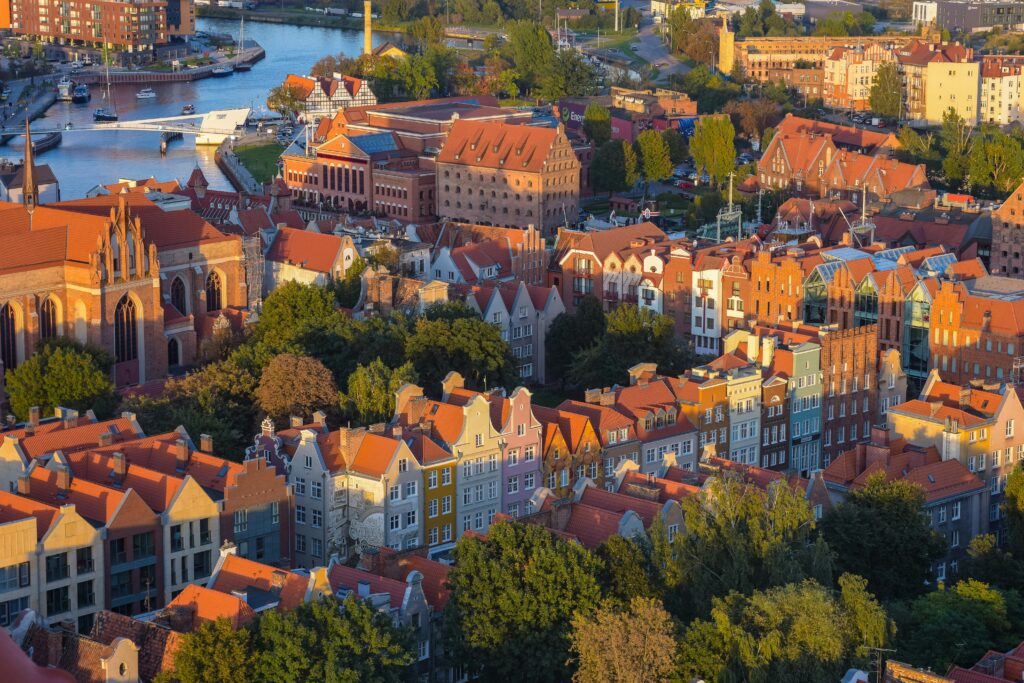
Outdoor & Active Living
Gdansk is often ranked as the most bicycle-friendly city in Poland. The extensive network of paths doesn’t just serve commuters heading to Tryton Business House; it connects the entire coastline, allowing for a 15-kilometer seaside ride from the Port of Gdansk all the way to Gdynia.
- Seaside Parks: President Ronald Reagan Park is the lungs of the seaside districts (Przymorze and Brzeźno). It’s a favorite for weekend BBQ sessions, jogging, and outdoor gym workouts. For a more historic stroll, Oliwa Park offers manicured French-style gardens and a tropical palm house, perfect for a quiet afternoon near the business hub of Cube Office Park.
- The Beach Life: Living in Gdansk means the beach is a daily reality, not just a holiday destination. Residents head to Stogi for the widest sands or Jelitkowo for a sunset walk followed by dinner at a seaside bistro.
- The Forest Trails: The Tricity Landscape Park (Trójmiejski Park Krajobrazowy) borders the western edge of the city, offering hundreds of kilometers of forested hiking and mountain biking trails that make you forget you’re in a major metropolitan area.
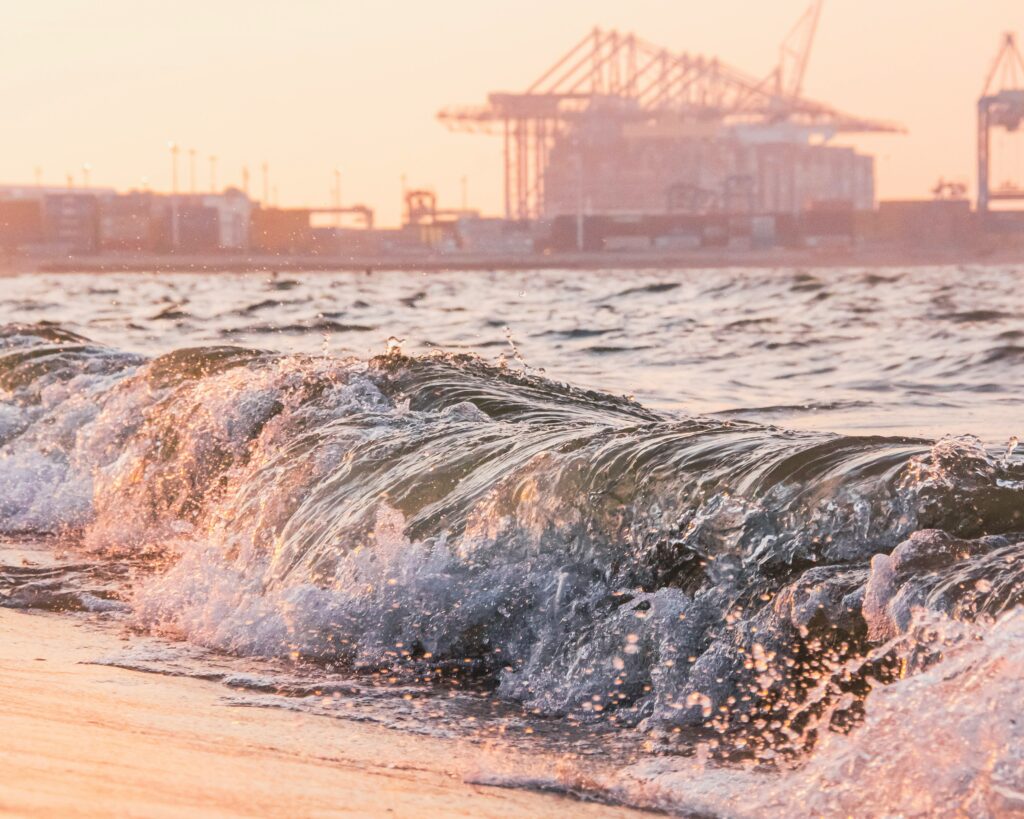
Culture and Social Hubs
The city’s industrial heritage has been reimagined into some of the most vibrant social spots in Central Europe.
- The Shipyard (Stocznia): This is the heart of Gdansk’s alternative scene. Areas like 100cznia (a container town with street food and art) and Ulica Elektryków (Electricians’ Street) are the go-to spots for live music, craft beer, and open-air cinema during the warmer months.
- Wrzeszcz District: Known as the “Brooklyn of Gdansk,” this neighborhood is the epicenter of the local food scene. Residents gather here for artisanal bakeries, vegan cafes, and hidden cocktail bars tucked away in neo-Gothic tenement houses.
- O4 Coworking Community: Leisure in Gdansk often blends with networking. Community-focused spaces like O4 Coworking frequently host “after-hours” events, from yoga sessions to craft beer tastings, bridging the gap between professional life and social integration.
Shopping and Wellness
- Modern Retail: For a premium shopping experience, Forum Gdańsk blends modern retail with urban greenery and public plazas. Meanwhile, Galeria Bałtycka in Wrzeszcz remains the powerhouse for international brands.
- Wellness & Spas: The city takes its maritime “health resort” history seriously. Beyond the high-end hotel spas in the Old Town, you’ll find specialized floatation centers, salt caves, and seaside saunas in Sopot (just 10 minutes away) where locals go to recharge during the winter.
Annual Highlights
Living here means experiencing the St. Dominic’s Fair in August—one of Europe’s oldest and largest open-air trade and cultural events—and the magical Gdansk Christmas Market, which consistently ranks as one of the most beautiful on the continent.
Climate
The city experiences a maritime climate. Expect mild, breezy summers and cold, but rarely harsh, winters. The air quality is notably better than in southern Polish cities, thanks to the refreshing Baltic winds.
Mobility and Transportation

Gdansk is a masterclass in regional connectivity, serving as a gateway between Scandinavia, Western Europe, and the rest of Poland.
- Air Travel: The Gdańsk Lech Wałęsa Airport (GDN) is the third largest in Poland. It offers robust international connections, making it a primary hub for business travelers and tourists from across the continent.
- Public Transit: The city is served by a dense network of modern trams and buses. While Gdansk does not have a traditional underground subway, it features the SKM (Szybka Kolej Miejska)—a rapid urban railway that functions as the backbone of the Tricity, connecting Gdansk to Sopot and Gdynia in minutes.
- Train Hubs: Gdańsk Główny is the city’s central station, providing high-speed Pendolino connections to Warsaw (approx. 2.5 hours) and Krakow.
- Sea and Cycle: Gdansk is also known for its extensive network of bicycle paths, often cited as the best in Poland, and seasonal water trams that traverse the Motława River.
Business in Gdansk
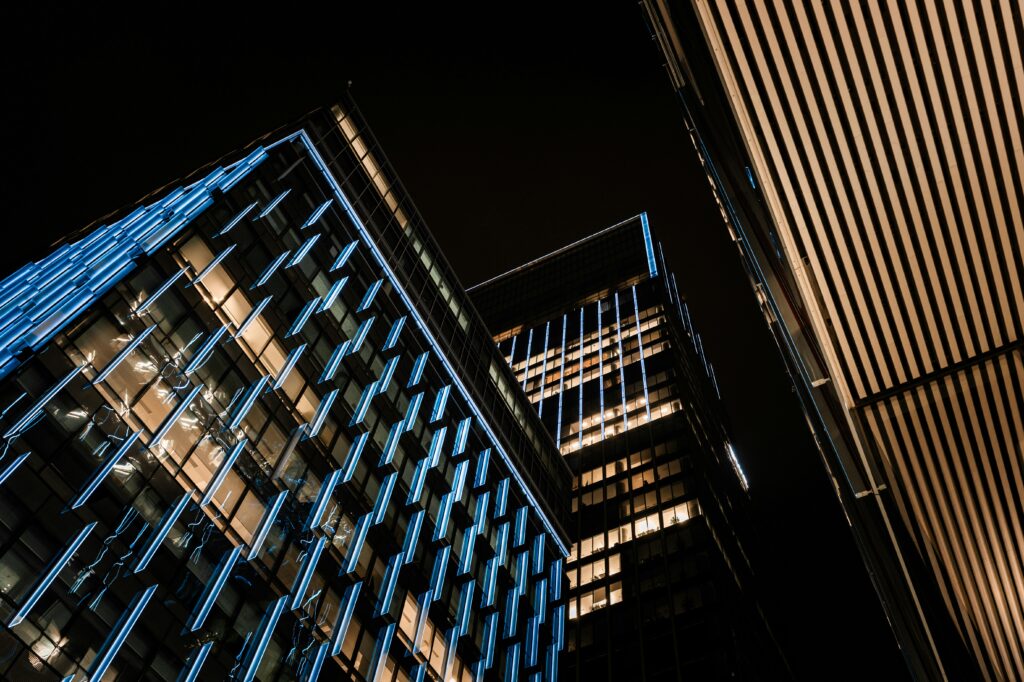
Gdansk is no longer just a shipyard city; it has evolved into a premier tech and financial hub.
- Business Locations: The city has seen a massive influx of Grade-A office space. Professional hubs like the Tryton Business House, located near the European Solidarity Centre, offer prestigious office environments with views of the shipyard cranes. Further inland, the district of Oliwa has become the city’s “Wall Street,” home to the Cube Office Park and the Alchemia complex. These areas are magnets for multinational corporations and tech giants.
- Entrepreneurial Spirit: For startups and freelancers, the city offers a vibrant ecosystem. Facilities like O4 Coworking (one of the largest coworking spaces in Poland) provide not just desks, but a community for innovation and networking.
- Business Environment Around Shipping: Gdańsk’s shipping sector extends far beyond port operations. The city has developed a strong maritime ecosystem that includes logistics providers, warehousing hubs, freight forwarding companies, and a wide range of maritime and technical services. This integrated environment creates attractive conditions for businesses connected to transport, trade, and supply chain operations.
Visiting Gdansk: Tourism and Prime Neighborhoods
Gdansk is one of Poland’s most visited cities, known for its Gothic, Renaissance, and Baroque architecture.
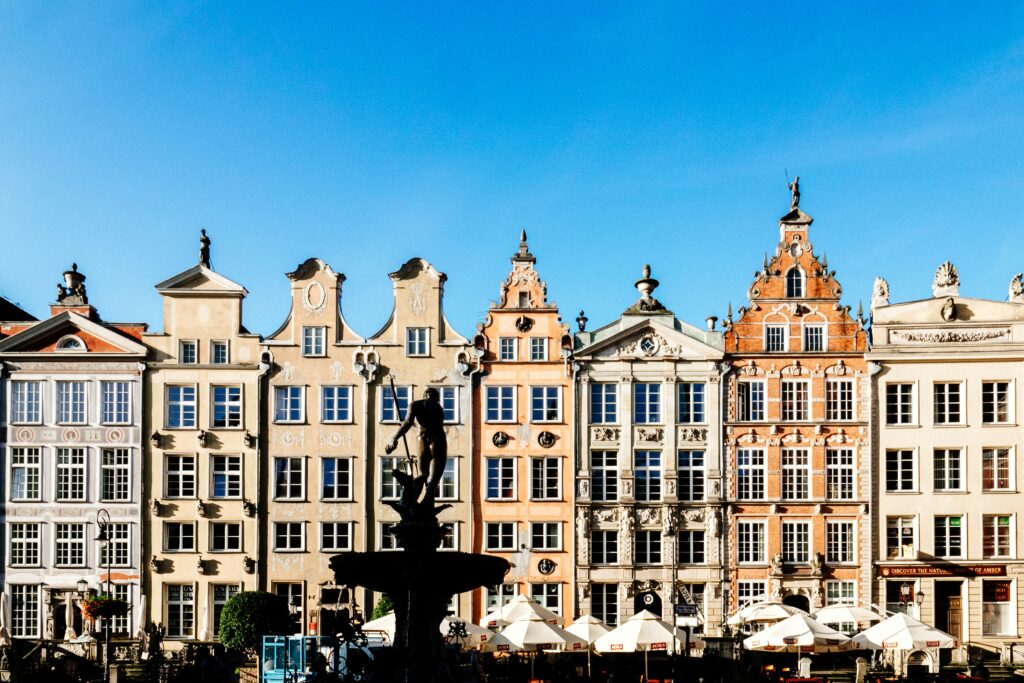
Touristic Attractions:
The Long Market (Długi Targ), the iconic Neptune’s Fountain, and St. Mary’s Church (one of the largest brick churches in the world) are essential stops. History buffs should not miss the Museum of the Second World War or the European Solidarity Centre.
Best Neighborhoods for Tourists
- Main Town (Śródmieście): Ideal for those who want to be in the heart of the action, surrounded by historic monuments and the best restaurants.
- Oliwa: Perfect for a quieter stay, famous for its stunning park, cathedral, and proximity to the business districts.
- Brzeźno & Jelitkowo: The best choices for those seeking a “beach city” vibe, offering direct access to the Baltic Sea and seaside promenades.
Surroundings: Day Trips and Regional Exploration
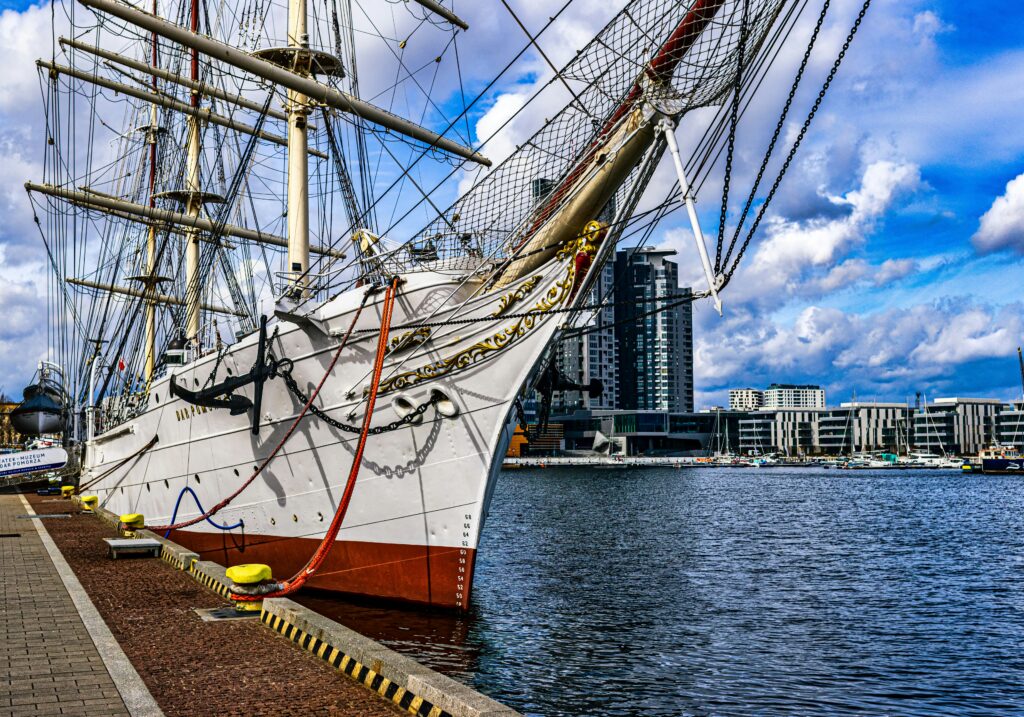
The advantage of living in Gdansk is the proximity to diverse landscapes and historical sites.
- Sopot: Just 15 minutes away by train, this upscale resort town is famous for the longest wooden pier in Europe and its vibrant nightlife.
- Gdynia: The third part of the Tricity, known for its modernist architecture, maritime museums, and the beautiful Orłowo cliffs.
- Malbork Castle: A 45-minute train ride south takes you to the world’s largest castle by land area, a UNESCO World Heritage site and a former stronghold of the Teutonic Knights.
- Hel Peninsula: A long, thin strip of land popular for windsurfing, kiteboarding, and pristine sandy beaches, accessible by a scenic ferry ride or train.
Real estate in Gdansk
Whether you are looking for a commercial investment in a thriving hub like Cube Office Park or a residential gem near the Baltic shore, Gdansk offers a compelling case for growth, culture, and connectivity.
Commercial properties and the sea as an influence
The shipping and maritime industries are a core pillar of Gdańsk’s economy, anchored by one of the largest ports in the Baltic Sea. The sector is deeply integrated into European and global trade networks, with a significant economic footprint that drives employment, attracts domestic and foreign investment, contributes to national revenues and impacts even the real estate industry.
It fuels the commercial RE sector, since the city’s thriving shipping, shipbuilding, and logistics sectors create a constant demand for high-spec administrative space. Iconic developments like Tryton Business House are strategically positioned to serve this “Blue Economy,” housing maritime law firms, marine-tech companies, international shipping agencies, and logistics giants who require proximity to both the city center and the port infrastructure.
The same goes for the development of vast warehouse complexes and specialized business parks. Proximity to the deep-water quay is a primary driver for industrial real estate values, making the areas surrounding the port some of the most lucrative commercial land in Poland.
Retail: Benefiting from the pulse of a stable workforce
The thousands of professionals employed across the thriving marine and logistics sectors also represent a massive and stable consumer base. For retail companies, this concentration of high-earning workers creates an ideal environment for new storefronts, dining concepts, and service centers positioned near the harbour.
As per the residential real estate, buy-to-let investors can benefit from the city’s dual nature as a business hub and a premier tourist destination allows for a hybrid “short-term summer, long-term winter” model, which can push yields even higher in coastal districts like Brzeźno or the luxury developments on Granary Island.
The conclusion? Gdansk offers a myriad of opportunities for those looking to live, rent, work, open a business or invest in this gem of Poland.