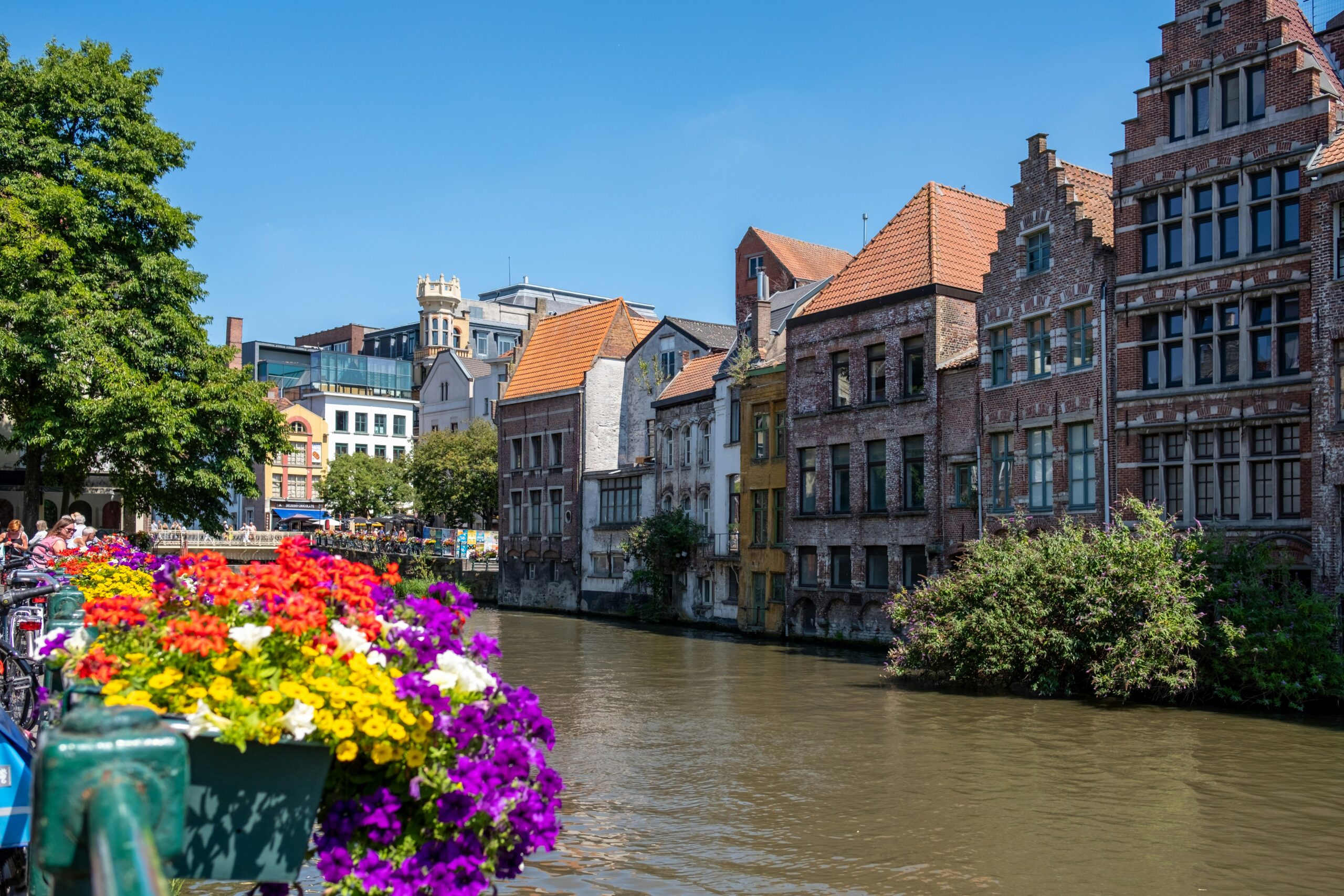
Ghent
Medieval Grandeur Meets Rebel Spirit and Modern Innovation
Discover a city where 1000-year-old fortresses stand alongside cutting-edge biotech hubs. Ghent offers a unique proposition for buyers: a high-quality, sustainable lifestyle in a city that refuses to be a museum, paired with a resilient real estate market driven by a massive student and professional population.
Living in Ghent: The Sustainable Rebel City
Ghent is often called the “hidden gem” of Europe, but for those who live in the city, it’s a deliberate choice. It’s a city that values “leefbaarheid” (livability) above all else, blending a quirky, rebellious history with a forward-thinking approach to urban life.
Lifestyle
Life in Ghent is defined by its vibrant, youthful energy. As one of Belgium’s largest university cities, there is a constant pulse of creativity. Locals, known as “Stropkendragers” (noose-bearers—a nod to their defiant history), enjoy a lifestyle that balances work and leisure perfectly. You’ll find them enjoying a “Gentse Tripel” by the Graslei at sunset or exploring the vegetable-forward culinary scene; Ghent is, after all, the “Veggie Capital of Europe.” It’s a city of festivals, culminating in the Gentse Feesten, one of the largest cultural street festivals in Europe.
Climate
Ghent enjoys a temperate maritime climate. Summers are pleasant (avg. 22°C), perfect for boat trips on the Leie, while winters are cool and atmospheric, especially when the medieval towers are illuminated. The city is famous for its “lighting plan,” which transforms the streets into a glowing masterpiece after dark.
Mobility & Transportation
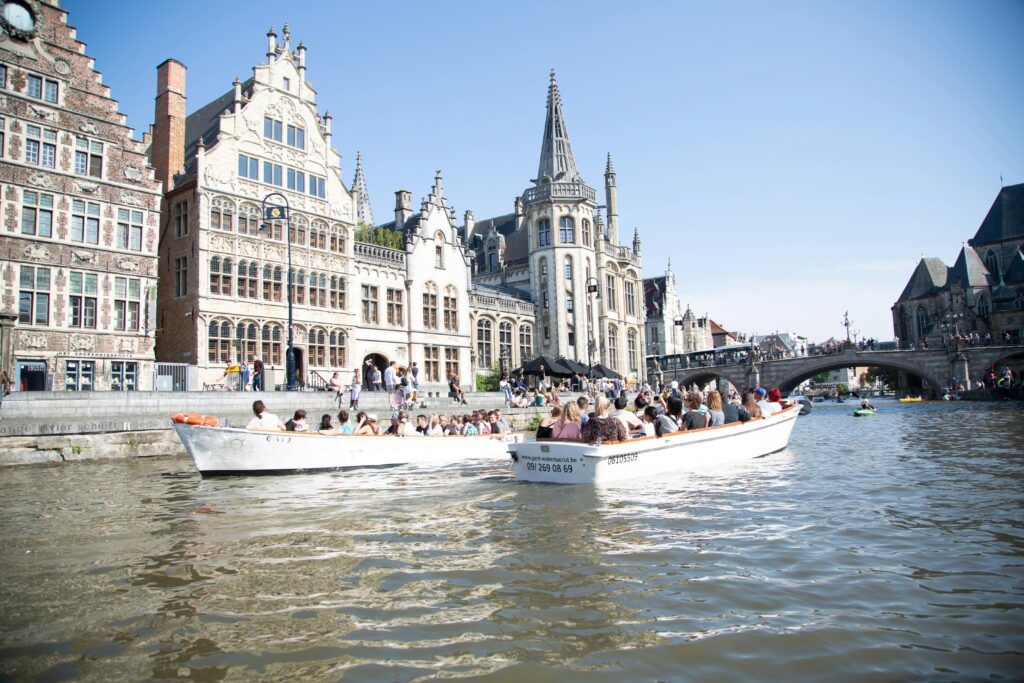
Ghent is a global leader in sustainable mobility. The city center is one of the largest car-free zones in Europe, making it a paradise for pedestrians and cyclists. For those visiting, the CityCard Gent is a must-have, offering unlimited use of all trams and buses, a guided boat tour, and even a full day of bicycle rental.
- Cycling: With a goal of 35% bicycle use by 2030, the infrastructure is world-class, featuring bicycle streets and “The Bicycle Embassy” for repairs.
- Public Transit: A dense network of trams and buses connects the outskirts to the center.
- Water-Tramway: A unique “hop-on hop-off” water tram operates between April and October, allowing tourists to navigate between six key historic stops while enjoying the city from its famous canals.
- Connectivity: Gent-Sint-Pieters station is a major hub, with direct trains to Brussels (35 min), Antwerp (50 min), and Bruges (25 min).

What to do
Living in Ghent is about embracing a “slow city” philosophy where quality of life takes precedence over the hustle. For a local, the city isn’t just a backdrop of monuments; it’s a living room.
The Ritual of the Market and the “Terrasje”
Saturday mornings are sacred. You’ll find residents navigating the Vrijdagmarkt not just for fresh produce, but for the social ritual of a coffee at Le Renard or a quick stop at the Bij Sint-Jacobs flea market to hunt for vintage treasures. As the sun hits the Leie river, the stone quays of the Graslei and Korenlei transform into the city’s largest outdoor lounge. While tourists take the boat tours, locals prefer to sit directly on the medieval stones with a takeaway bottle of wine or a craft beer from a nearby “bruin café,” watching the world float by.
Culinary Rebellion in Patershol and Beyond
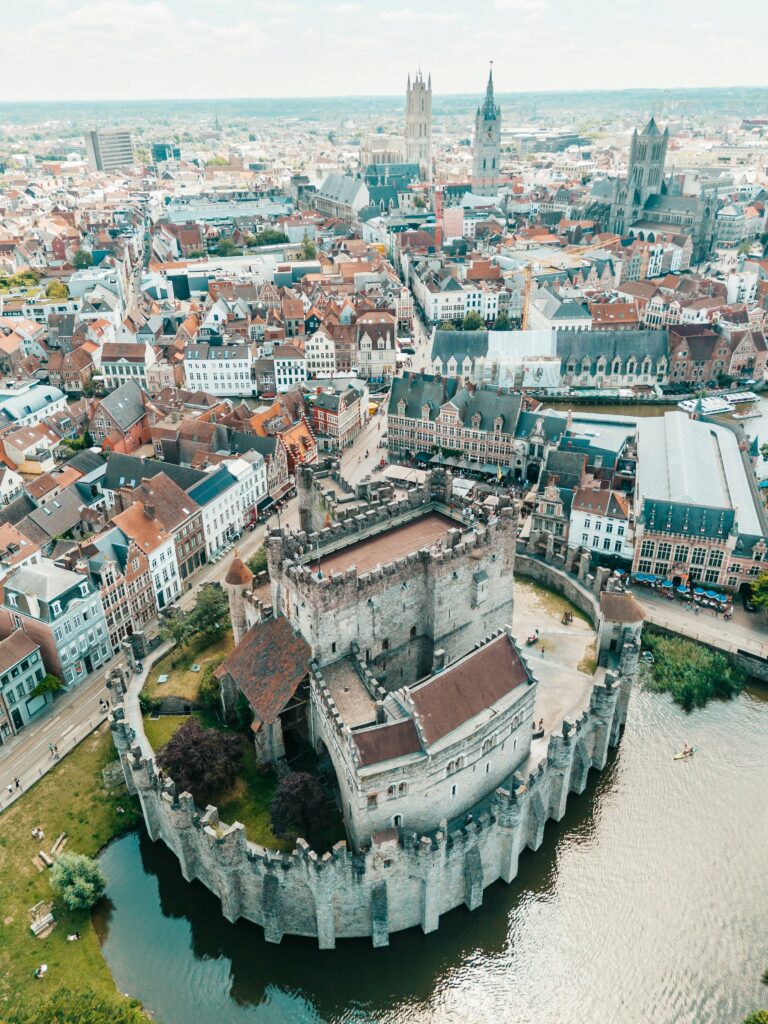
The Patershol district, a maze of cobblestone alleys beneath the shadow of the Gravensteen castle, is the neighborhood of choice for long, candlelit dinners. It is the culinary heart of the city, offering everything from traditional Flemish stews to avant-garde vegan tasting menus. Ghent’s residents have pioneered the “Thursday Veggie Day” movement, and the city’s restaurant scene reflects this with a sophisticated, plant-forward culture that rivals any major European capital.
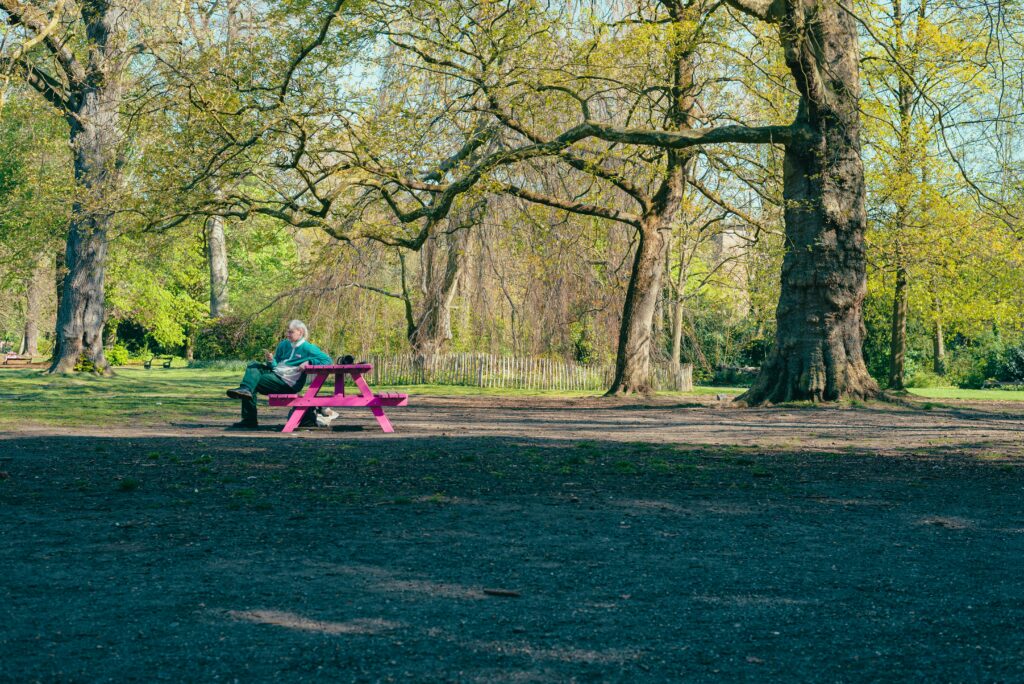
Green Lungs and Industrial Escapes
For those seeking quiet, the Citadelpark offers a romantic, slightly wild escape, while the Ghent University Botanical Garden (Plantentuin) provides a serene glasshouse sanctuary for rainy afternoons.
De Krook
This reclaimed industrial site is more than just a library; it is the city’s modern “agora.” Locals gather here to work in the sun-drenched study spaces, attend tech talks, or simply enjoy the architectural view over the Scheldt.

The Old Docks (Oude Dokken)
This is the city’s newest frontier. Once a gritty port area, it has been reclaimed by residents for urban swimming, climbing gyms, and pop-up summer bars like Bar Bricolage, where the vibe is distinctly DIY and eco-conscious.
Waterways and Active Living
In the warmer months, the lifestyle shifts to the water. It is common to see residents traversing the city’s canals in rented kayaks or even their own small electric boats. For a more active weekend, locals head to Blaarmeersen, a massive sports and recreation park on the edge of the city featuring a swimming lake, sandy beaches, and extensive trail runs—offering a “vacation feel” just a 10-minute bike ride from the Belfry.
Visiting Ghent: Where History Meets the Future
For tourists and investors scouting the area, Ghent’s architectural landscape is a captivating mix of Gothic, Renaissance, and contemporary styles.
Must-See Attractions
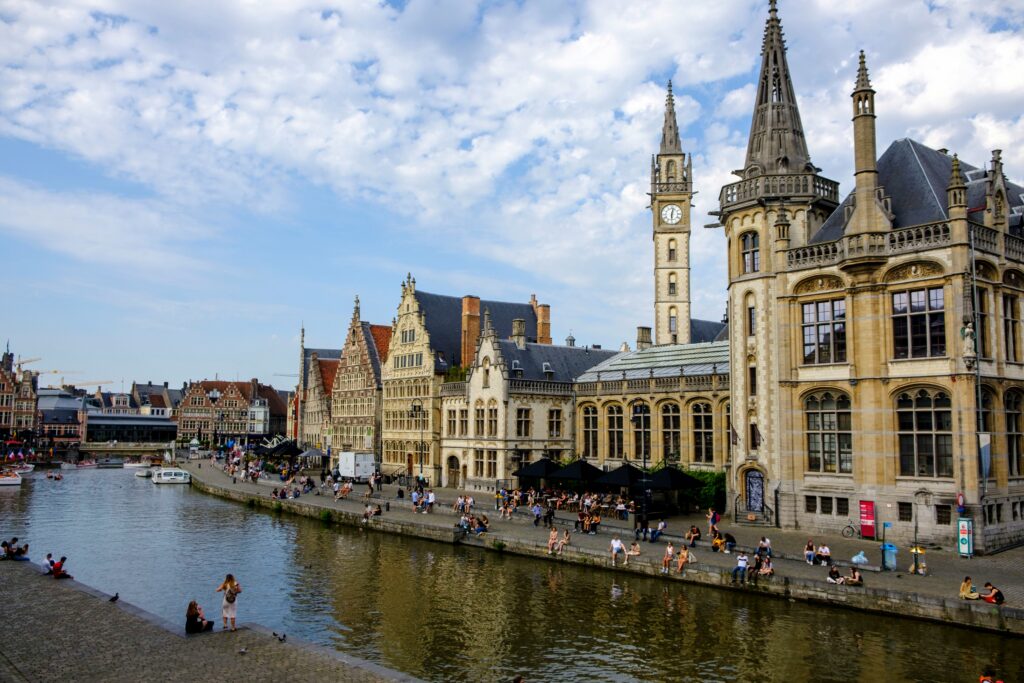
- The Three Towers: The skyline is dominated by Saint Nicholas Church, the Belfry (a UNESCO site), and Saint Bavo’s Cathedral.
- The Ghent Altarpiece: Housed in the cathedral, Van Eyck’s Adoration of the Mystic Lamb is one of the most influential works of art in history.
- Gravensteen (Castle of the Counts): An imposing 12th-century moated fortress right in the city center.
- Graslei and Korenlei: Often cited as the most beautiful waterfront in the world, lined with historic guildhalls.
- Werregarenstraatje (Graffiti Alley): A constantly evolving street where urban art is officially encouraged.
Best Neighborhoods for Visitors & Buyers in Ghent
- The Historic Center: The heart of the action, featuring luxury penthouses and historic townhouses.
- Patershol: A culinary hotspot with winding medieval alleys and charming, smaller properties.
- The Miljoenenkwartier (Millionaires’ Quarter): Located near the station, this area features grand villas and Art Deco mansions from the early 20th century.
- Sint-Amandsberg: A trendy, up-and-coming residential area popular with young families and investors.
Exploring the Surroundings: Short Day Trips

Ghent’s central location makes it the perfect springboard for East Flanders:
- Bruges: Only 25 minutes away, for those seeking the ultimate fairytale canal experience.
- The Flemish Ardennes: A short drive south leads to rolling hills and iconic cycling routes.
- Laarne Castle: One of the most beautiful moated castles in the country, just 15 minutes from the city.
The Business Landscapein Ghent: A Hub of Deep Tech and Global Logistics
Ghent is no longer just a historic city; it stands as one of Europe’s most dynamic economic engines, particularly in the fields of Life Sciences, Biotech, and Circular Economy. For investors, this creates a robust “recession-proof” foundation, as the city attracts a high-income workforce of researchers, engineers, and entrepreneurs.
The Biotech and Life Sciences Powerhouse
The city is home to Tech Lane Ghent Science Park, a sprawling 60-hectare ecosystem that houses over 4,400 high-tech professionals and 90+ companies.
- Global Leaders: Major players like Ablynx (Sanofi) and Argenx are joined by a constant stream of new ventures. Just in early 2026, Ghent-based Trince raised €5.2 million to accelerate cell therapy innovation, signaling continued investor confidence in the local startup scene.
- Agro-Biotech: Ghent University, in collaboration with the VIB (Institute for Biotechnology), manages the largest Agro-Biotech campus in Europe, cementing the city’s status as a “Golden Standard” R&D hub.
North Sea Port and Logistics
The North Sea Port—a cross-border merger between Ghent and the Dutch ports of Terneuzen and Vlissingen—is a top-ten European port.
- Circular Industry: The port is a leader in the “Bio-based” industry. It hosts the Bio Base Europe Pilot Plant, which is central to the city’s goal of becoming a circular economy leader.
- Logistics Resilience: Despite global shifts, the logistics sector in Ghent remains resilient. In 2026, there is a strong focus on “nearshoring” and e-commerce, driving demand for high-spec warehouse spaces and professional housing for the logistics workforce.
Innovation and Digital Economy
The De Krook site and the WinterCircus (a renovated former garage turned tech hub) act as the beating hearts of Ghent’s digital economy. These spaces provide a home for the “digital nomad” and tech startup culture that keeps the city’s rental market vibrant and young.
Investor Insights: Why Ghent is a Strategic Choice for Real Estate
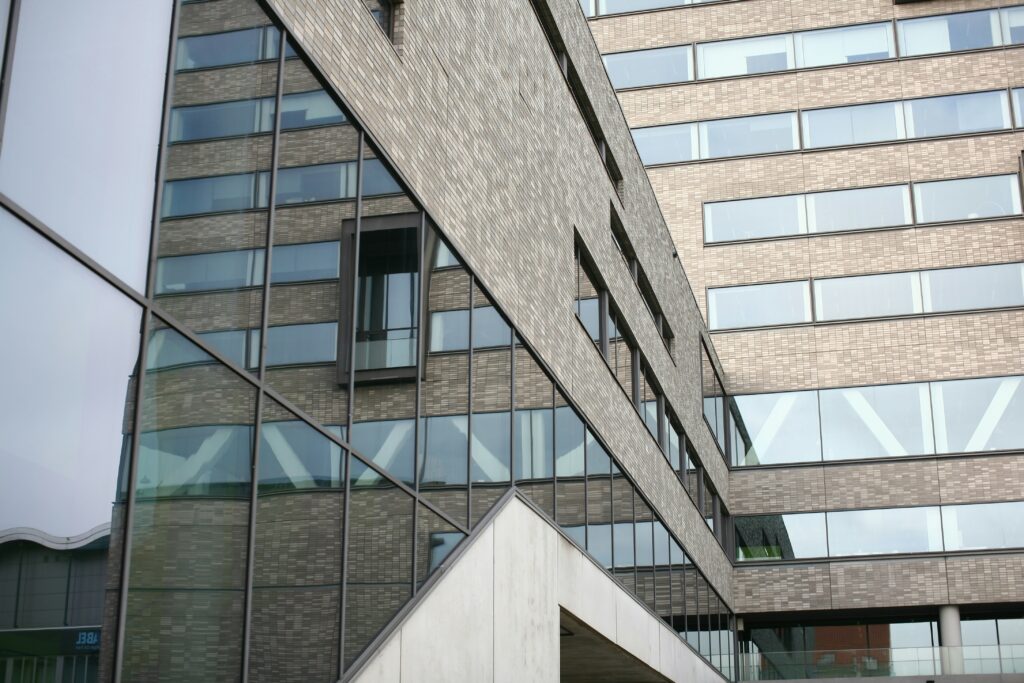
For investors, Ghent represents a “safe haven” market with high liquidity and several high-growth triggers.
- The “EPC Premium”: Energy Performance Certificate (EPC) ratings have become the primary price driver in Flanders. Properties with an A or B rating currently command a 10–15% price premium, creating a massive opportunity for “fix-and-flip” investors.
- Rental Demand & Yields: With a structural housing shortage and a student population exceeding 80,000, vacancy rates are near zero. Expect 3.5% to 4.5% for premium city-center apartments or 5.5% to 6.5% in neighborhoods like Dampoort and Ledeberg, undergoing a rapid gentrification and with appeal to young professionals.
- The Biotech Anchor: The expansion of the Tech Lane Ghent Science Park ensures a steady influx of high-earning international tenants. This “expat” segment typically looks for high-end, turn-key apartments in the Stationsbuurt-Sint-Pieters or the Reep area.
Summary
Ghent is a city defined by “restless beauty,” where a thousand years of history provide the backdrop for a modern global powerhouse in Life Sciences, Biotech, and the Circular Economy. For buyers, it offers an unrivaled quality of life—marked by sustainable mobility, a world-class culinary scene, and a vibrant “rebel spirit” that keeps the city’s energy perpetually young. For investors, Ghent’s real estate market offers a resilient “safe haven” backed by the economic stability of the North Sea Port and the Tech Lane Science Park. With a massive rental demand from both the 80,000-strong student population and high-earning international professionals, the city provides a fertile ground for growth.
Whether you are seeking a historic masterpiece in the Patershol or a high-yield, energy-efficient investment in the gentrifying Dampoort, Ghent stands as a premier European destination where medieval charm and future-proof innovation create the perfect synergy for long-term value.