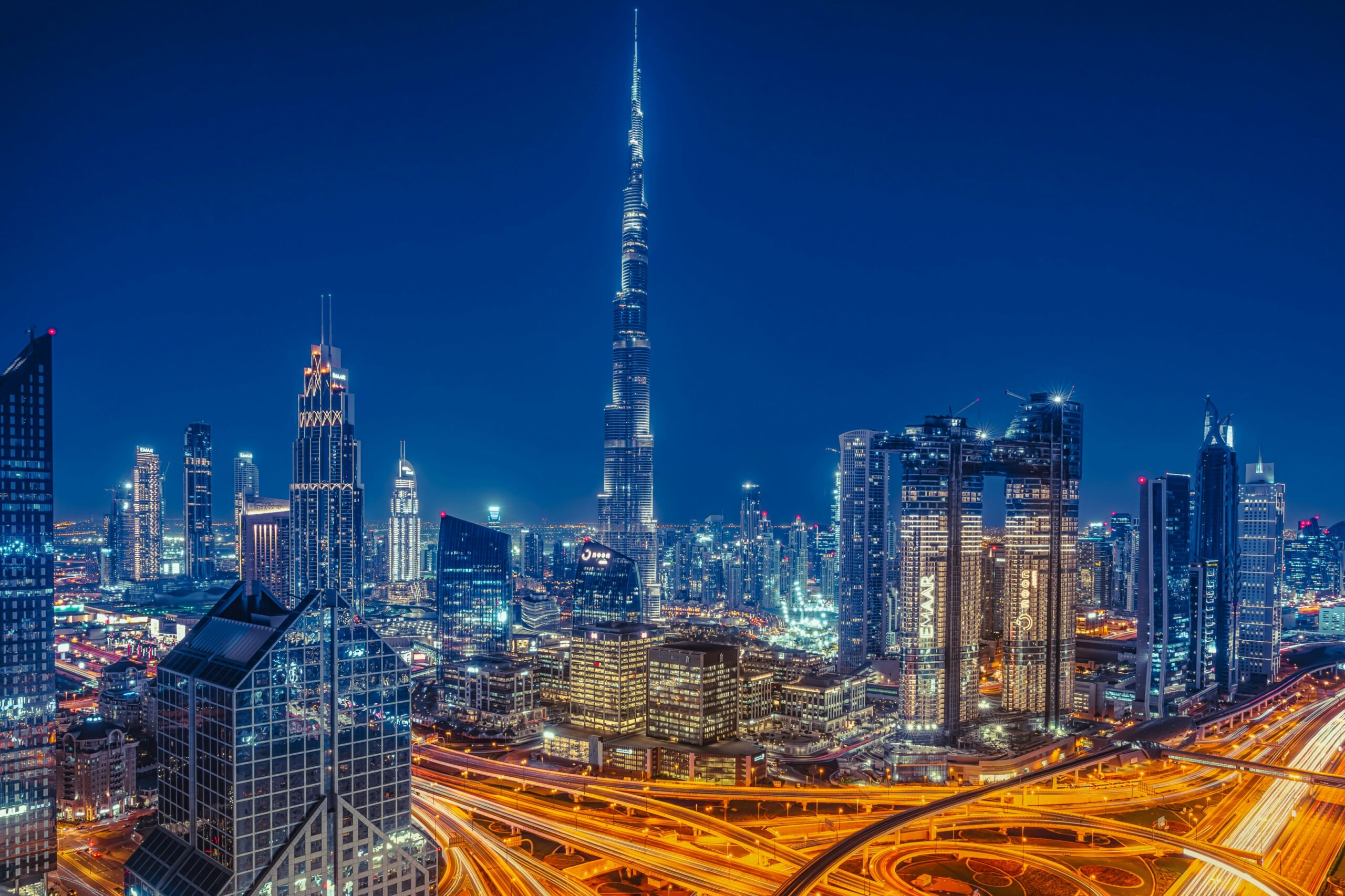
Dubai
The Future of Urban Living and Investment
Dubai is city of constant evolution where futuristic skyscrapers meet tranquil residential havens. It offers a unique landscape of high-yield investment opportunities and a high-quality lifestyle across its rapidly expanding districts.
Dubai is no longer just a transit point between East and West; it has become a global benchmark for modern living. While the city is renowned for its architecture and luxury tourism, its true heartbeat lies in its ambitious new developments. From sustainable villas in desert oases to high-tech waterfront apartments, the city continues to reinvent itself. Therefore, there’s no way of ignoring it as one of the most dynamic real estate markets in the world.
The Residential Experience: Urban Connectivity & Quality of Life
Living in Dubai is defined by an unparalleled level of convenience and a vibrant outdoor lifestyle for half the year.
Mobility and Transportation
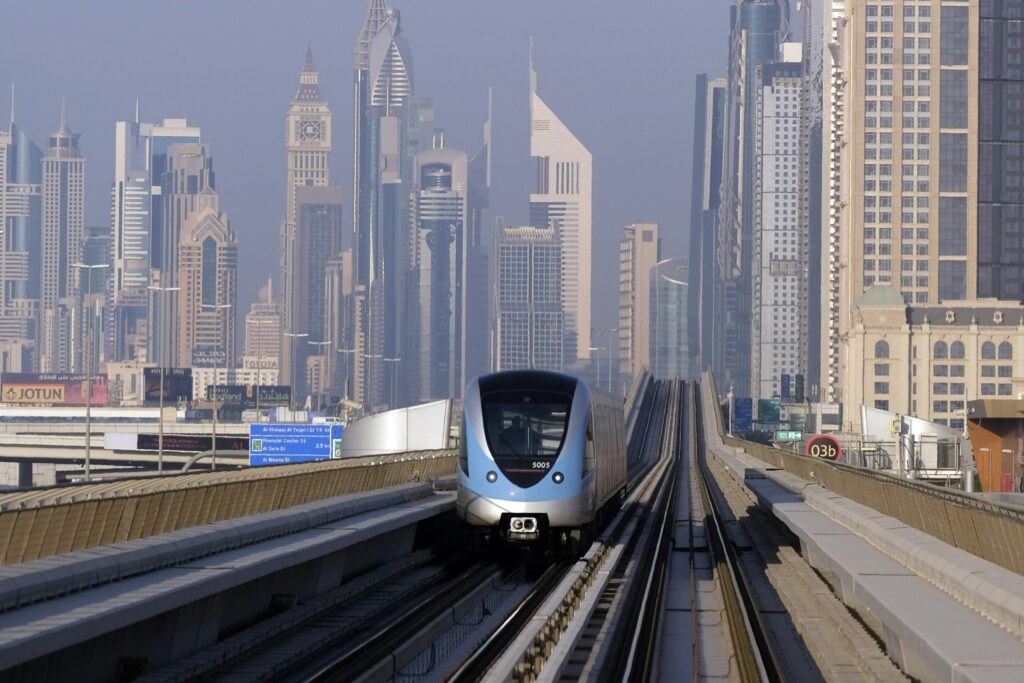
The city is built for efficiency. The Dubai Metro, the world’s longest driverless system, serves as the spine of the city, connecting the airport to major business hubs like the DIFC and the Marina.
For those moving to residential districts, the road infrastructure is world-class, though many locals and long-term residents are now looking toward the “20-minute city” model, where schools, clinics, and work are all within a short radius. In addition, dedicated lanes for e-scooters and bicycles have been integrated into neighborhoods like JVC, Mirdif, and Al Barsha 2, making these short trips to local “Souqs” or parks feasible without a car.
In 2026, the introduction of commercial autonomous taxis is further solidifying Dubai’s status as a leader in smart mobility. Areas like International City, Al Muhaisnah, and Oud Al Muteena have seen dozens of new bus stops and route extensions in the same year.
What to do
Beyond the tourist hotspots, Dubai offers a sophisticated social fabric for those who call it home.
The climate is subtropical, with sunshine guaranteed almost every day. While the summer months (June to September) are hot and involve an indoor-centric lifestyle, the rest of the year offers perfect temperatures for outdoor dining, beach days, and mountain excursions.
- Wellness and Sport:
Padel tennis has become a local obsession, with high-end clubs like Matcha and Real Padel serving as social hubs. For fitness enthusiasts, the Dubai Cycle Track at Al Qudra offers over 80km of desert trails, while the Dubai Loop—a sustainable 93km climate-controlled highway—now allows residents to bike and walk across the city year-round.
- The Beach Club Culture
Residents often swap the malls for exclusive beach clubs. Spots like Be Beach at Dubai Harbour or the boutique clubs in Jumeirah Islands provide a Mediterranean-style escape with world-class dining, away from the weekend tourist crowds.

- Community Hubs
Neighborhoods like Jumeirah Village Circle (JVC) and Meydan are packed with “hidden gem” cafes, organic markets, and community parks that host local “Ripe Markets,” where families gather for locally grown produce and artisan crafts.
The Business Landscape: A Global Hub for Innovation and High-Yield Investment
Dubai has solidified its position as a premier destination for both institutional and private capital. The city is not just a place to reside; it is a strategic engine for wealth creation, supported by a government that actively incentivizes foreign entry.
A Growing Frontier for Real Estate Investors
The UAE real estate market is currently undergoing a structural transformation. In 2026, the focus has shifted from speculative “flipping” to long-term value and high rental yields.
- Competitive Returns: Dubai offers average gross rental yields of 6% to 9%, significantly outperforming mature markets like London, New York, or Paris.
- Economic Resilience: Backed by the IMF’s projected 5% GDP growth for the UAE in 2026, the market is bolstered by massive infrastructure spending—estimated at $470 billion for real estate projects through 2030.
- The Golden Visa Catalyst: The 10-year Golden Visa remains a major draw. Foreigners can secure long-term residency by investing as little as AED 2 million (approx. $545,000) in property, with new 2026 regulations making the process even more streamlined for mortgaged and off-plan assets.
Government Stimuli: Red Carpet for Foreign Entrepreneurs
The Dubai government has aggressively dismantled barriers for foreign business owners, creating an ecosystem that rewards innovation:
- 100% Foreign Ownership: Outside of traditional “Free Zones,” foreigners can now own 100% of mainland businesses in most sectors without a local partner.
- New Tax Incentives: From January 1, 2026, a new landmark R&D Tax Incentive offers a 30% to 50% refundable tax credit for companies investing in research and development. Also, this paired with a High-Value Employment Credit to help businesses offset the costs of hiring top-tier talent.
- Startup Support: Small businesses with revenue below AED 3 million remain exempt from corporate tax through December 2026. Hence, there’s a “safe harbor” for new ventures to scale.
A Tale of Two Markets: The “Fashionable Center” vs. The “Quiet Suburbs”
This business-centric growth has created a fascinating divide in the property market.
- The Foreign Investment Magnet: International buyers and digital nomads gravitate toward the Center of the City (Downtown and Business Bay) and the Dubai Marina. These districts are considered a “piece of fashionable style”—offering high-octane urban living, proximity to global HQs, and prestige. For investors, these areas provide the highest liquidity as well as the “gold standard” for short-term rental returns.
- The Local Sanctuary: Conversely, Emirati locals and long-term residents are increasingly moving toward specialized, quieter districts. For example: Dubai Hills Estate, Nad Al Sheba, and Meydan. These areas offer a different kind of luxury, such as vast green spaces, world-class schools, and a peaceful residential atmosphere away from the tourist-heavy “fashionable” hubs.
The Dubai Visitor Experience: Iconic Landmarks & Vibrant Districts
For tourists and short-term visitors, Dubai is a playground of icons.
Touristic Attractions

A complete visit includes Burj Khalifa, the Museum of the Future, as well as the fountains at The Dubai Mall. What about a taste of the past? Then, you’re looking for the Al Fahidi Historical Neighborhood and the gold and spice souks. They provide a stark, charming contrast to the steel and glass of the new city.
Best Neighbourhoods for Tourists:
- Downtown Dubai: Ideal for those who want to be at the center of the action. Also, Downtown Dubai is close to the world’s largest mall and iconic landmarks.
- Dubai Marina & JBR: The top choice for travelers seeking a beach-resort feel. In addition, they’ll find a vibrant nightlife and walkable promenades.
- Palm Jumeirah: For ultimate luxury, the Palm offers world-class resorts and exclusive beach clubs.
What to do in the surroundings of Dubai
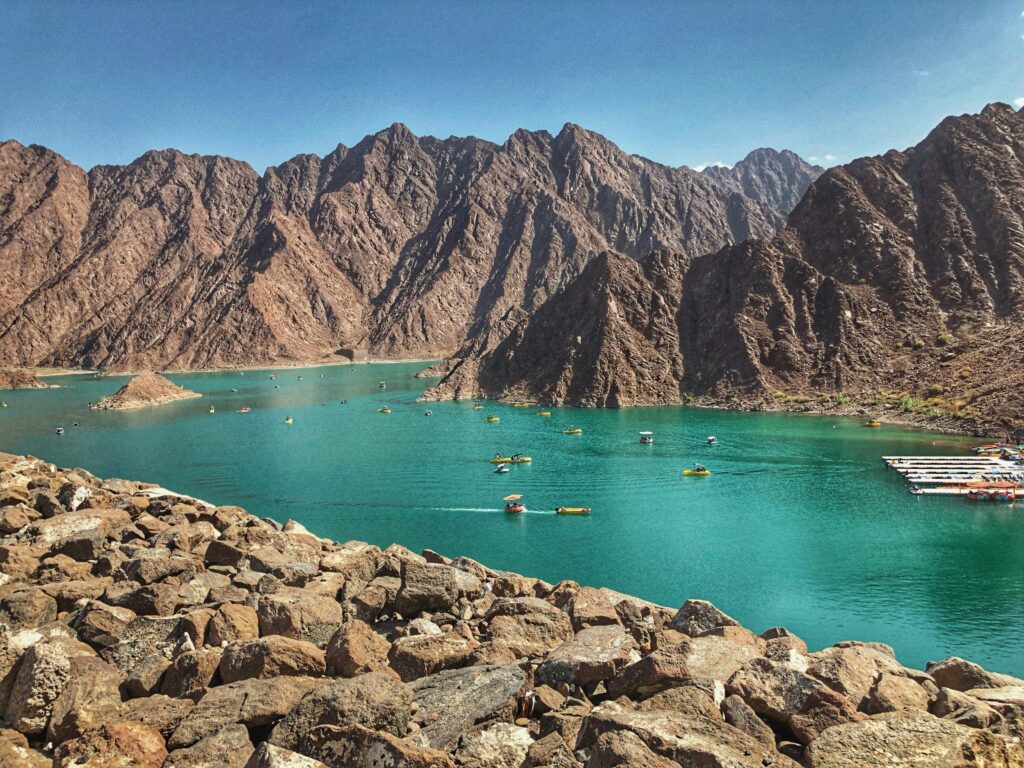
If you wish to escape the urban bustle, the surroundings of Dubai offer dramatic natural landscapes:
- Hatta: A 90-minute drive into the Hajar Mountains. Perfect for kayaking in the turquoise waters of the Hatta Dam or hiking through rocky trails.
- Abu Dhabi: An hour away, the UAE’s capital houses the stunning Sheikh Zayed Grand Mosque and the Louvre Abu Dhabi.
- Al Qudra Lakes: A man-made desert oasis popular for sunset picnics and cycling. Besides, here you can often spot wild oryx and flamingos.
- Jebel Jais: The UAE’s highest peak, in Ras Al Khaimah. Therefore, it offers cooler temperatures and the world’s longest zipline.
Conclusion
In summary, Dubai in 2026 is a sophisticated metropolis. Here, ambitious new developments offer a unique blend: on one hand, high-yield investment potential, on the other, futuristic lifestyle standards. Thus, the city allows international buyers to gravitate toward the “fashionable style” and high liquidity of the Downtown and Marina hubs. Supported by aggressive government stimuli the city is a global magnet for both businesses and families.