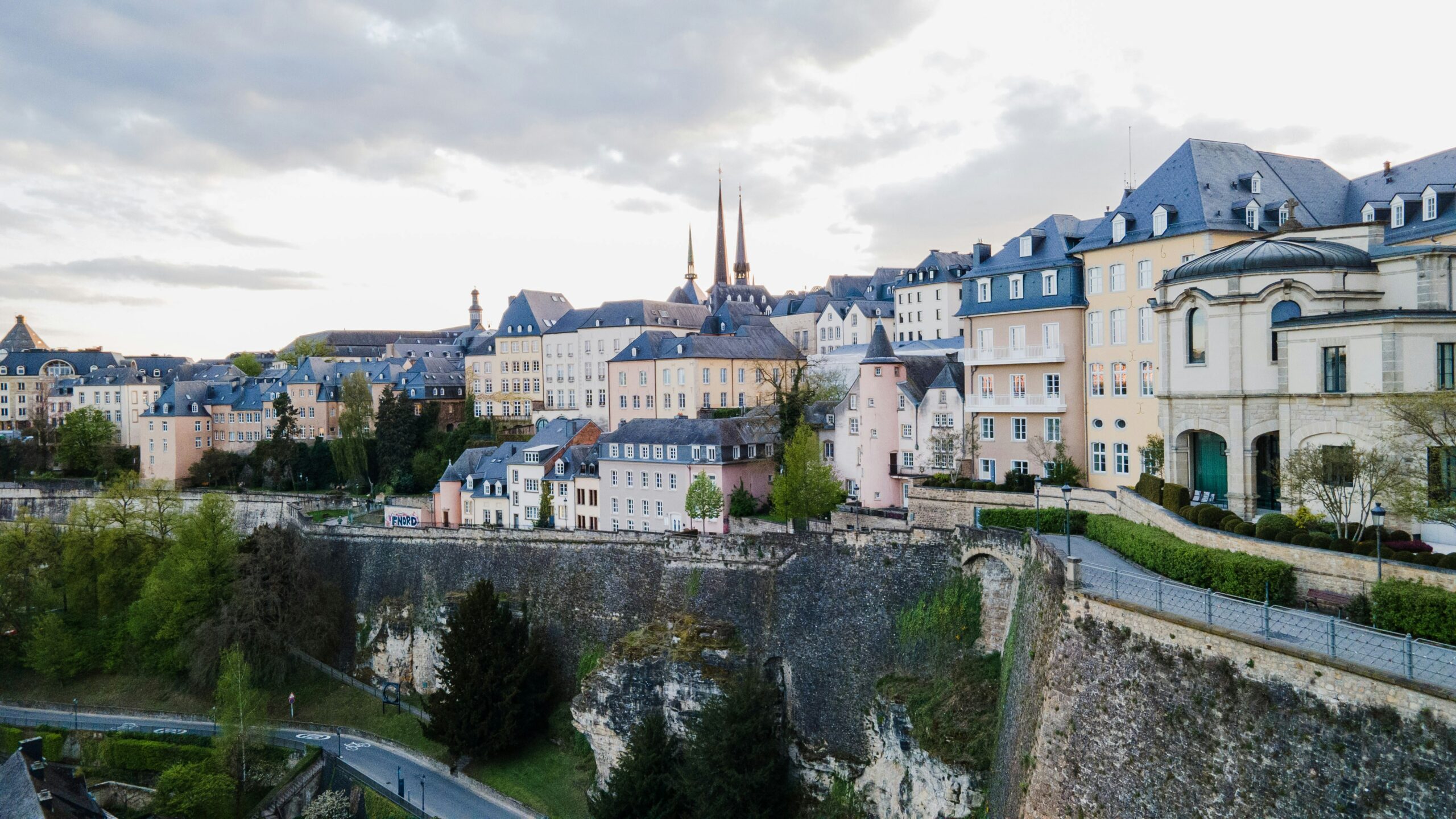
Luxembourg City
Where Global Power Meets the Ultimate Quality of Life
Discover the heart of Europe’s financial engine: Luxembourg is a UNESCO-listed capital where high-net-worth security, free nationwide mobility, and a stable, AAA-rated economy offer an unparalleled sanctuary for luxury living and strategic real estate investment.
Living in Luxembourg: The Multilingual Hub of Europe
Luxembourg City is a masterclass in urban balance. As a global financial seat and a home to major EU institutions, it vibrates with international energy, yet it maintains the safety and intimacy of a small town. With over 170 nationalities calling it home, the city is a cosmopolitan melting pot where French, German, and Luxembourgish flow seamlessly alongside English.
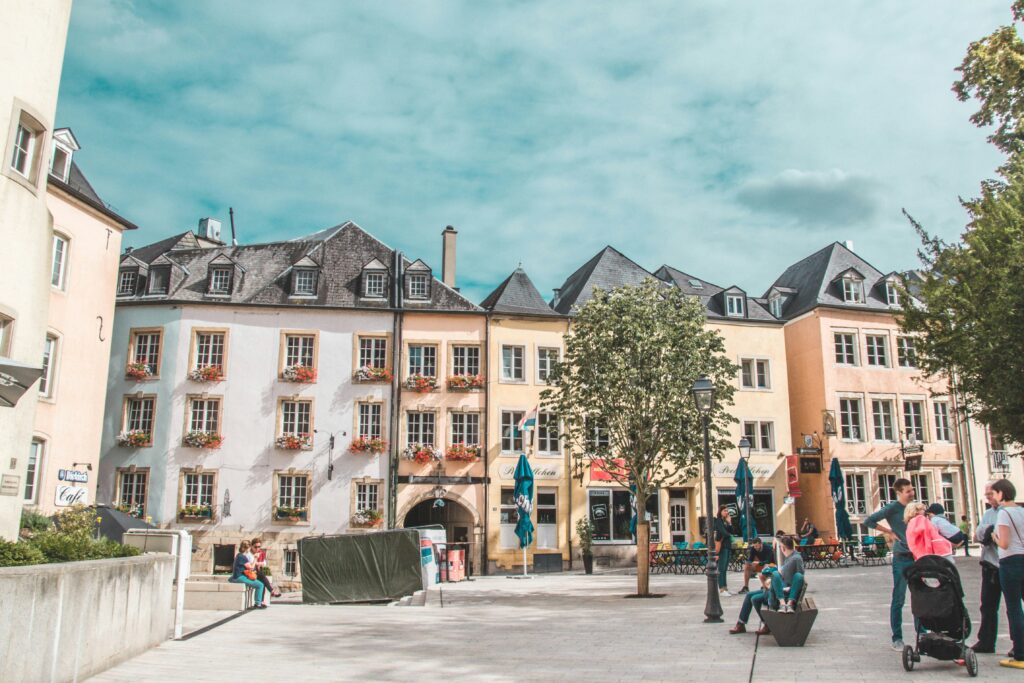
Lifestyle
Quality of life here isn’t just a metric; it’s a daily experience. Residents enjoy a “best of both worlds” scenario: the high salaries and professional opportunities of a global metropolis paired with immediate access to nature. Leisure time often centers around the Pétrusse Valley, a lush green lung slicing through the city center, or the trendy terraces of the Grund. The social scene is discreet but sophisticated, favoring fine dining, cultural galas at the Philharmonie, and weekend visits to the local markets at Place Guillaume II.
Climate
The city enjoys a temperate oceanic climate. Summers are pleasantly warm (avg. 23°C), perfect for the “Summer in the City” open-air concerts. Winters are cool and atmospheric, often bringing a dusting of snow to the historic fortifications. Rainfall is spread throughout the year, keeping the surrounding “Little Switzerland” forests vibrant and green.
Mobility & Transportation
Luxembourg made global headlines by becoming the first country in the world to offer completely free public transport. Whether you are a resident, a cross-border professional, or a tourist, you can hop on any bus, tram, or train within the country without a ticket.

A Growing Aviation Hub
Luxembourg Airport (Findel) is currently experiencing a record-breaking influx of passengers, with over 5.7 million passengers in 2026. As a primary hub for Luxair, the airport has recently expanded its reach to over 120 direct destinations, including new summer routes to Helsinki, Edinburgh, and Girona. For business travelers, the fast check-in times and niche connections to Africa and the Middle East make it a highly efficient alternative to larger neighboring airports.
High-Speed Rail Connectivity
The Luxembourg Central Station (Gare) is a vital node in Europe’s high-speed rail network. From this station, passengers can reach Paris in a little more than 2 hours via Direct TGV InOui services, with multiple departures daily. It also has seamless links connecting the city to Strasbourg, Lyon, and Marseille.

The Tram & Multimodal Hubs
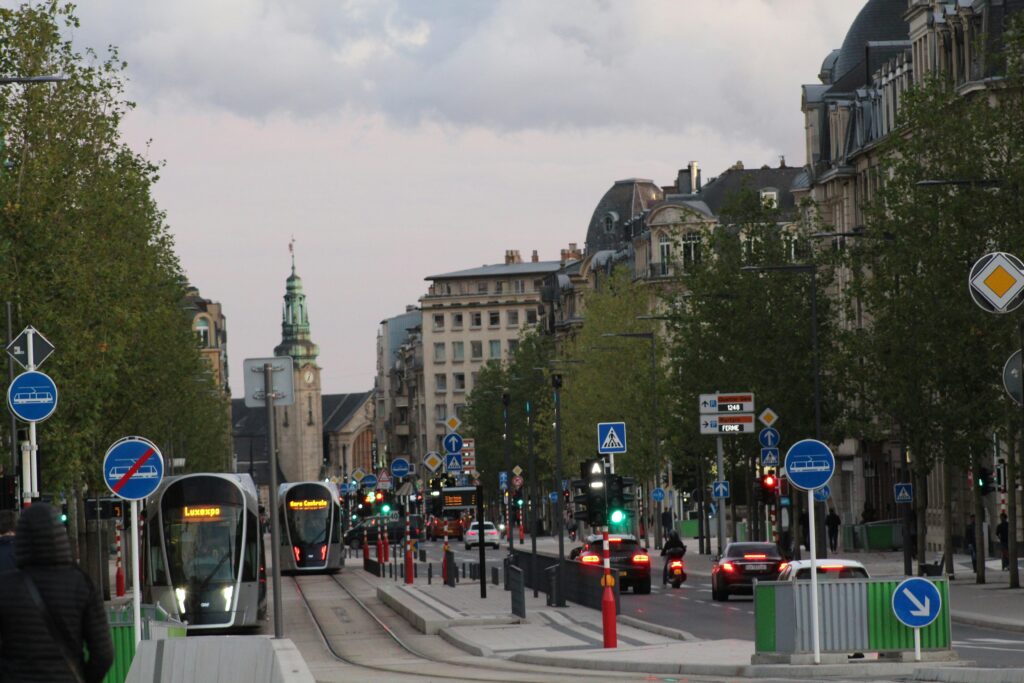
The sleek Tramway has revolutionized the city’s internal flow, now fully connecting the Kirchberg business district to the Cloche d’Or via the city center. A major milestone in 2026 is the completion of the Howald Multimodal Exchange Hub, which allows travelers to switch between trains, trams, and buses in one ultra-modern facility, perfectly serving the developing business districts.
Strategic Road Network
Situated at the crossroads of Europe, the city is perfectly connected via the A1, A3, and A6 motorways to Germany (Trier), France (Metz/Nancy), and Belgium (Arlon/Brussels). Innovative measures like the dedicated carpool lanes on the A3—monitored by smart camera systems—ensure that even road travel remains efficient during peak hours for those commuting into the capital.
Visiting Luxembourg: A Journey Through Time

For tourists and investors scouting the city, Luxembourg offers a dramatic vertical landscape of ancient stone and futuristic glass.
Must-See Attractions
- The Casemates du Bock: A 17km network of subterranean tunnels carved into the rock, reflecting the city’s history as the “Gibraltar of the North.”
- Chemin de la Corniche: Often called “Europe’s most beautiful balcony,” this pedestrian promenade offers stunning views over the Grund and the Alzette River.
- The Grand Ducal Palace: The official residence of the Grand Duke, located in the heart of the Old Town (Ville Haute).
- Mudam (Museum of Modern Art): Designed by I.M. Pei, this architectural marvel in Kirchberg showcases the city’s forward-thinking cultural side.
- The Grund: A fairytale-like neighborhood at the bottom of the valley, famous for its stone bridges, riverside pubs, and quiet charm.
Best Neighborhoods for Tourists in Luxembourg
- Ville Haute (Old Town): For those who want to be immersed in history and luxury shopping.
- Kirchberg: Ideal for business travelers, home to major hotels, the Philharmonie, and modern architecture.
- Gare District: A bustling, diverse area with excellent transit links and a wide variety of dining options.
Exploring the Surroundings: Short Day Trips

Luxembourg’s compact size makes exploration effortless:
- Vianden Castle: A stunning, restored medieval fortress perched above a picturesque valley, reachable in 45 minutes.
- Müllerthal (Little Switzerland): A hiker’s paradise featuring unique rock formations and the iconic Schiessentümpel waterfall.
- The Moselle Valley: Just 20 minutes away, this region is famous for its steep vineyards and world-class Riesling and Crémant sparkling wines.
The Business Landscape in Luxembourg: A Global Financial Powerhouse

Luxembourg is one of the world’s leading financial centers, second only to the US for investment fund domiciliation. The economy is sustained by Private Banking, Insurance, and a burgeoning Space Technology sector (Luxembourg is a pioneer in space resources). Its AAA credit rating and stable political climate make it a “safe haven” for global capital, attracting a highly skilled, high-earning workforce that fuels the demand for premium real estate.
The Real Estate Landscape in Luxembourg

For investors, Luxembourg City remains one of Europe’s most resilient markets. As of 2026, Gasperich (Cloche d’Or) and Kirchberg continue to be the most promising areas due to massive corporate headquarters and infrastructure expansion. The Hollerich district is also trending as a major urban renewal project, offering high potential for buy-to-let profitability.
While entry prices are high, the chronic housing shortage and steady influx of international professionals ensure high rental yields and long-term capital appreciation, particularly in the luxury segment of Belair and Limpertsberg.
Summary
Luxembourg City is a unique intersection of medieval history and 21st-century finance. For buyers, it offers a safe, high-quality lifestyle with free mobility and world-class amenities. For investors, the city’s AAA-rated economy and the expansion of districts like Cloche d’Or and Kirchberg provide a secure environment for high-yield returns. Whether you are seeking a historic townhouse in the Grund or a modern penthouse in the business heart, Luxembourg stands as a premier destination for sophisticated European investment.